
Endangered
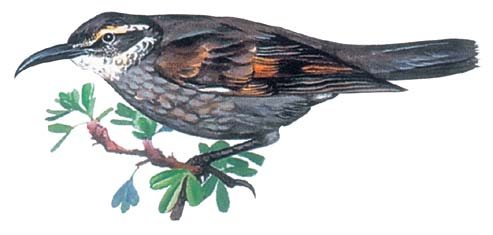
Royal cinclodes
Cinclodes aricomae
Endemic to Peru and in serious danger of extinction, it’s easy to recognize by its large, curved bill.
- Habitat
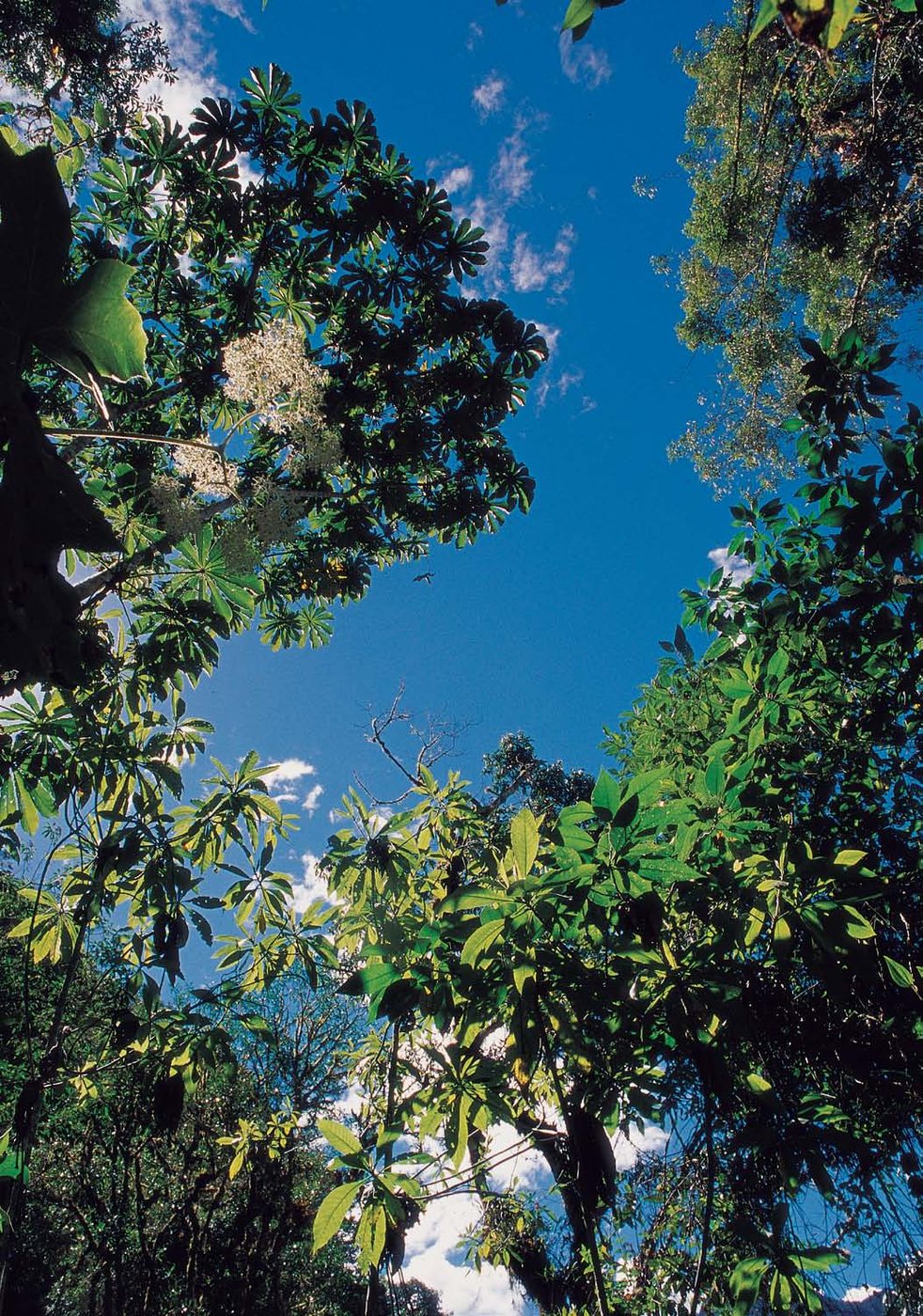
- Queñual (Polylepis) groves
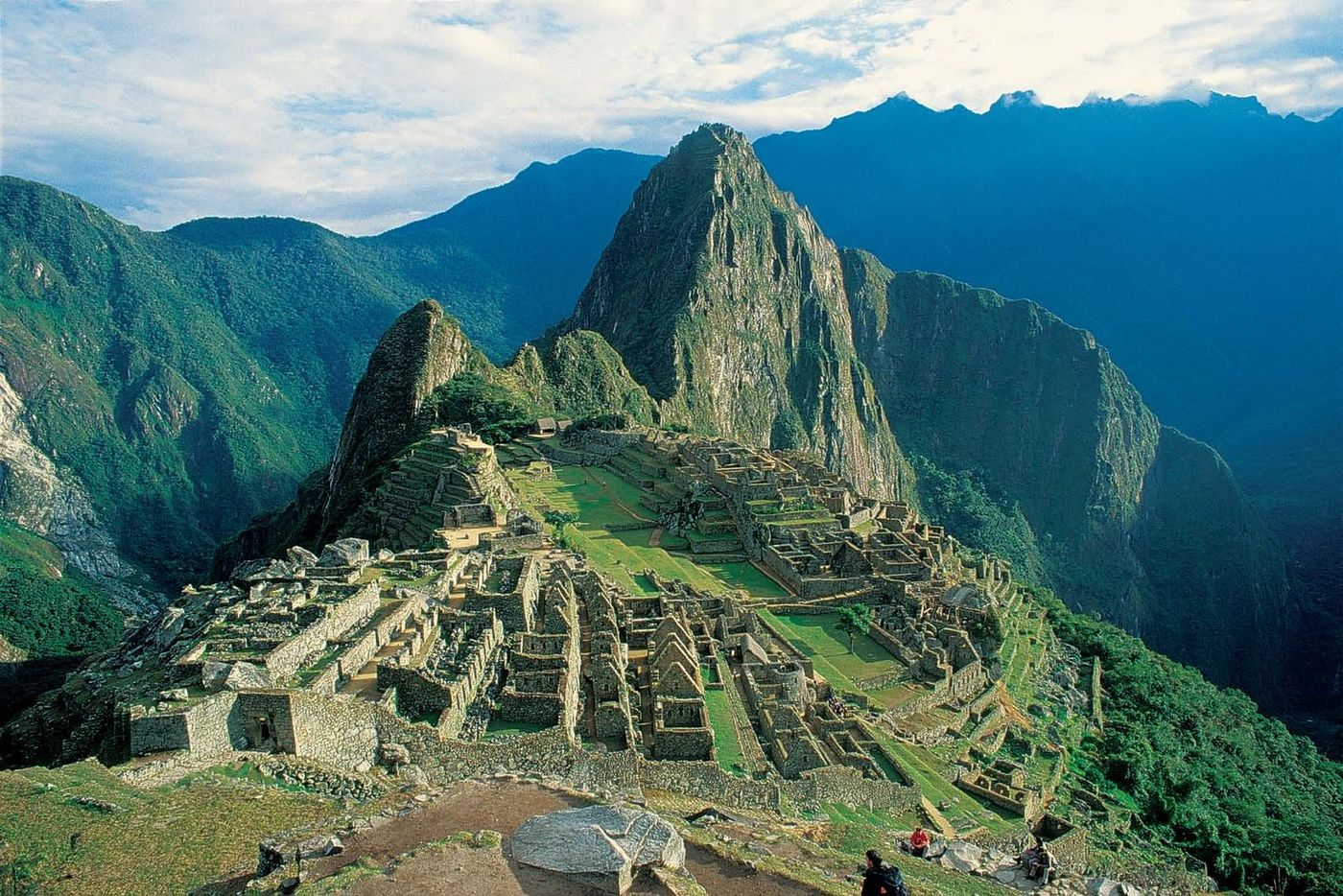
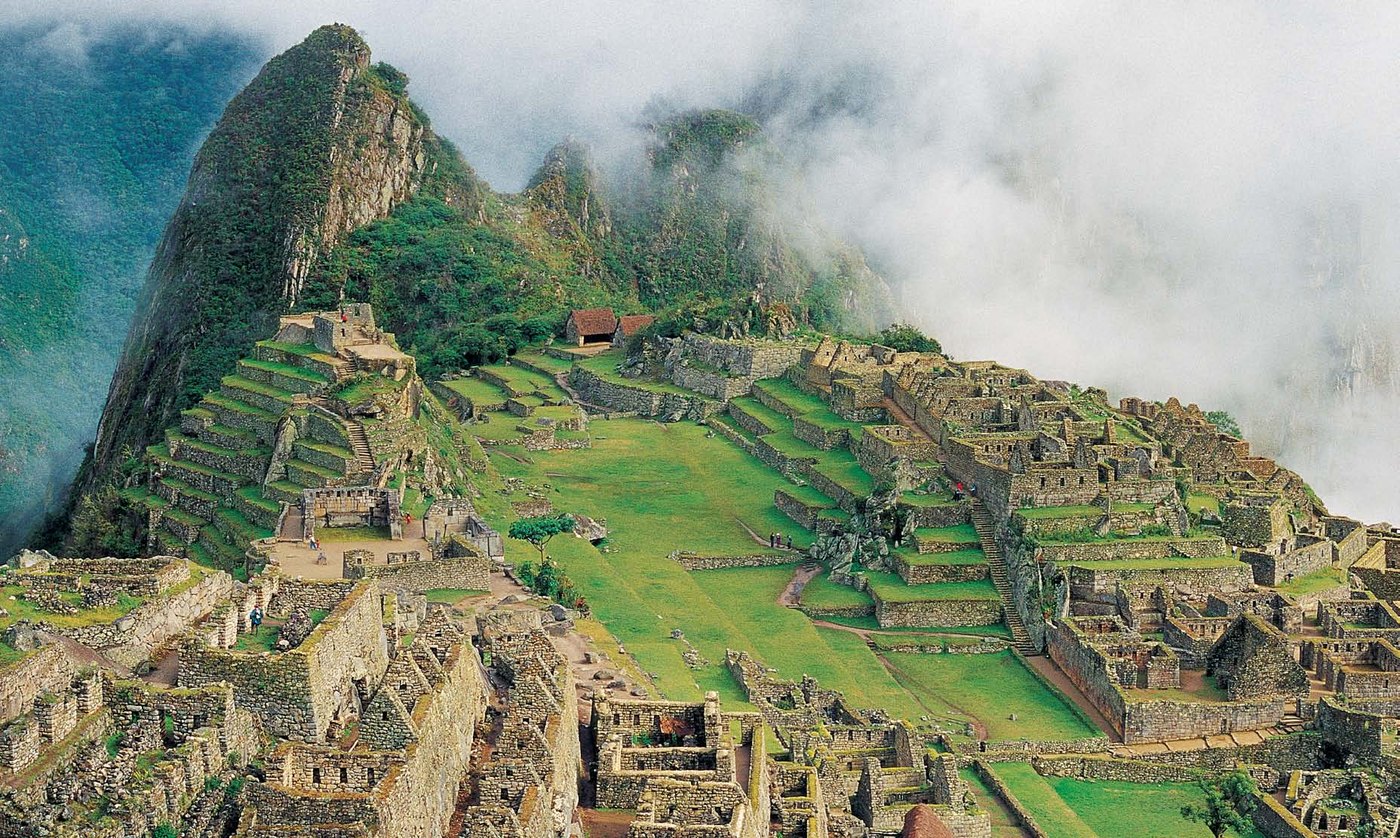
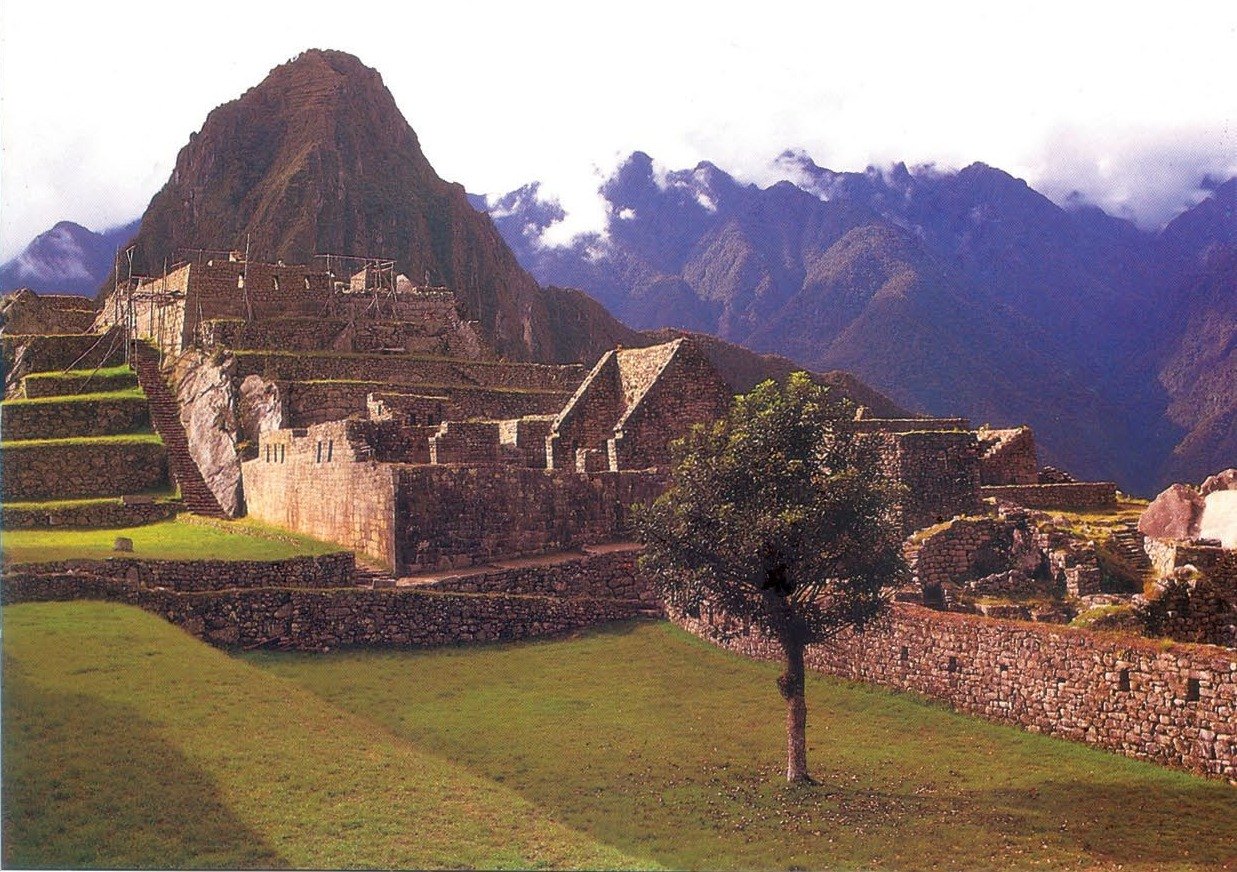
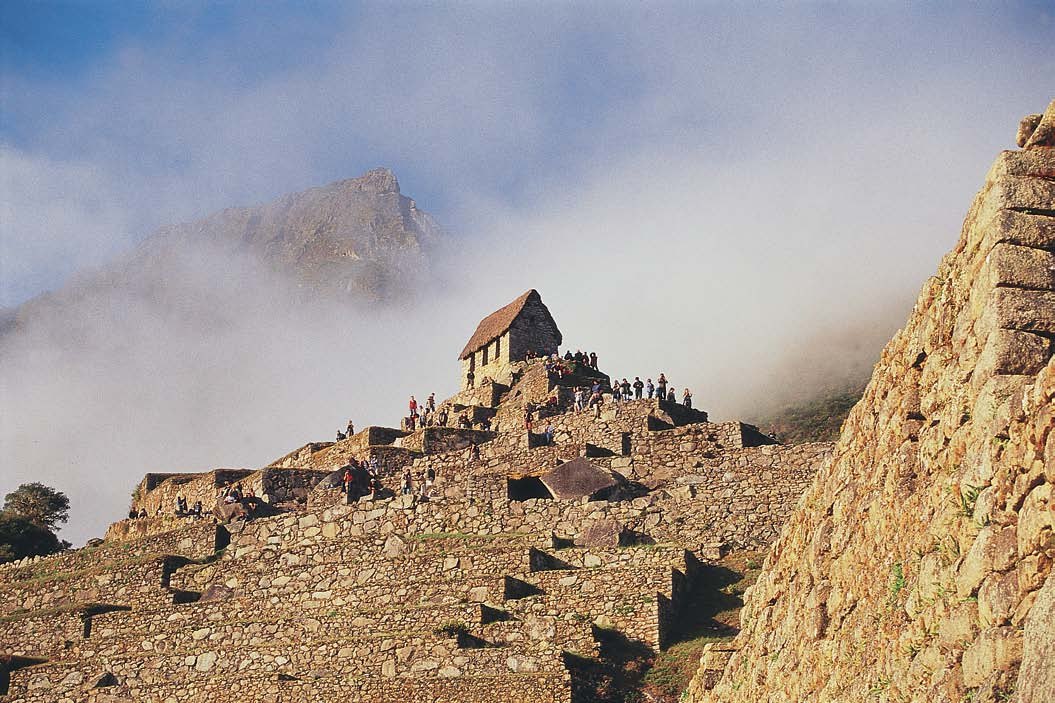
The lost city of the Incas, perched high above the Urubamba. Take the train to the town of Machu Picchu, ride the bus up to the gates and explore a sanctuary that shelters 406 species of birds.
In 2001, BienVenida devoted an entire issue to Machu Picchu — and Cecilia used her editorial to make the case for protecting it.
“We know that Machu Picchu is a Peruvian national icon and the country’s main tourist attraction. The responsibility for its preservation, then, is the concern of all Peruvians.”
 Editorial, 2001
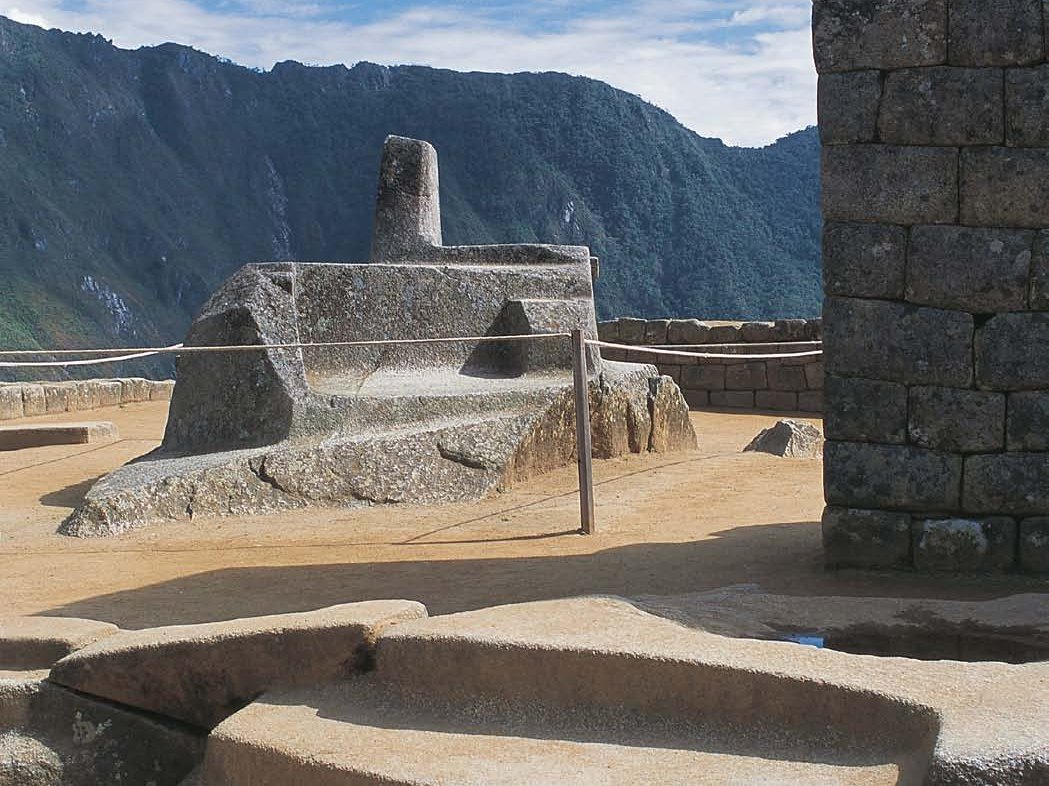
“Everything surrounding the city of Cusco and the fortress of Machu Picchu is steeped in myth, with countless mysteries still waiting to be unraveled.”
Excerpts from the editorials signed by Cecilia Raffo, editor of BienVenida magazine.
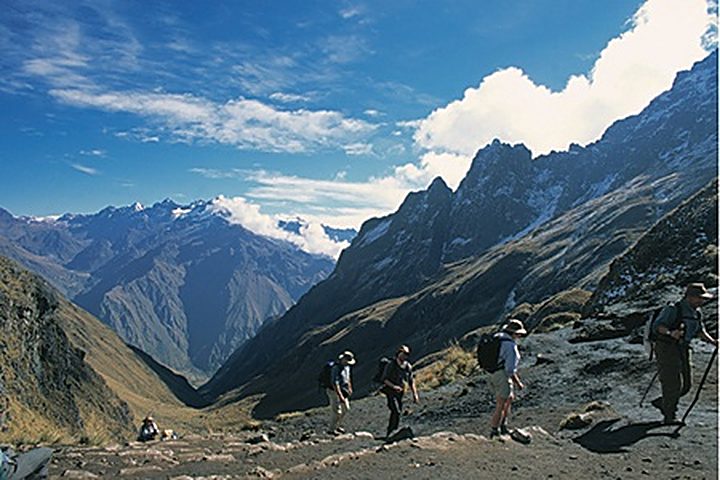
Ride the train along the Urubamba, catch the bus to the gates and lose yourself for a few unforgettable hours in the citadel. Rather arrive on foot? Discover the Inca Trail to Machu Picchu. Tap any highlight to follow it in the Road Book.
The classic route to Machu Picchu: a scenic rail journey along the banks of the Urubamba to the town of Machu Picchu — formerly Aguas Calientes — then a bus ride up the switchback road to the citadel.
Road book by the BienVenida team
Meals happen down in the town of Machu Picchu, where the train pulls in and the buses return from the ruins.
Text: Rafael León
Draft: details from the 2001 issue. Confirm places and services before publishing.
Bed down beside the ruins or in the town of Machu Picchu. Or base yourself in the Sacred Valley and arrive by train.
Text: Rafael León
Draft: hotels mentioned in the 2001 issue. Confirm they are still open.
Machu Picchu has more than ruins. The Historic Sanctuary’s 32,590 hectares, on the eastern slopes of the Andes, are home to 406 species of forest birds — and the unique position of its mountains has kept populations isolated that are found nowhere else on Earth.
An essential companion, by Barry Walker, an English ornithologist long based in Cusco and a specialist in forest birds, and Jon Fjeldså, professor of biodiversity at the University of Copenhagen and a world authority on Andean birds.
The illustrations in this section come from its pages. Birds are not drawn to scale.
Cinclodes aricomae
Endemic to Peru and in serious danger of extinction, it’s easy to recognize by its large, curved bill.
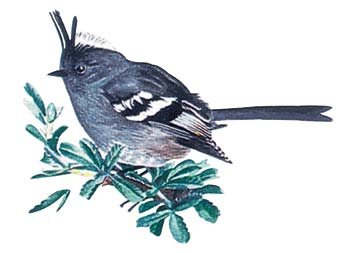
Anairetes alpinus
Found only in Peru and one area near La Paz, Bolivia — it too depends on queñual groves.
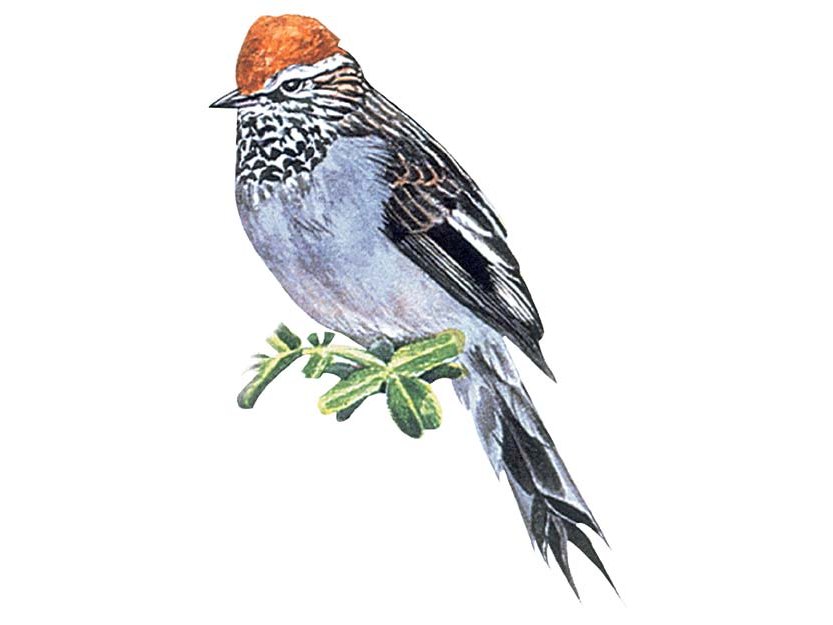
Leptasthenura xenothorax
Another of the sanctuary’s endangered birds, alongside Taczanowski’s tinamou (Nothoprocta taczanowskii).
Text: Oscar Gonzales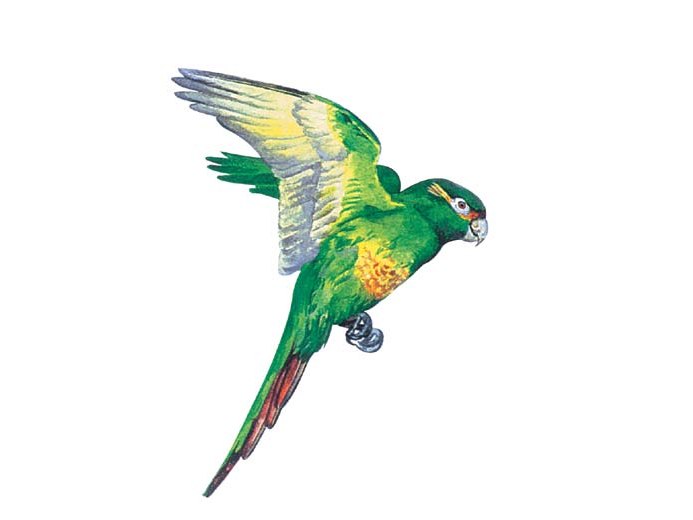
Leptosittaca branickii
Rounds out the sanctuary’s five endangered species.
Text: Oscar Gonzales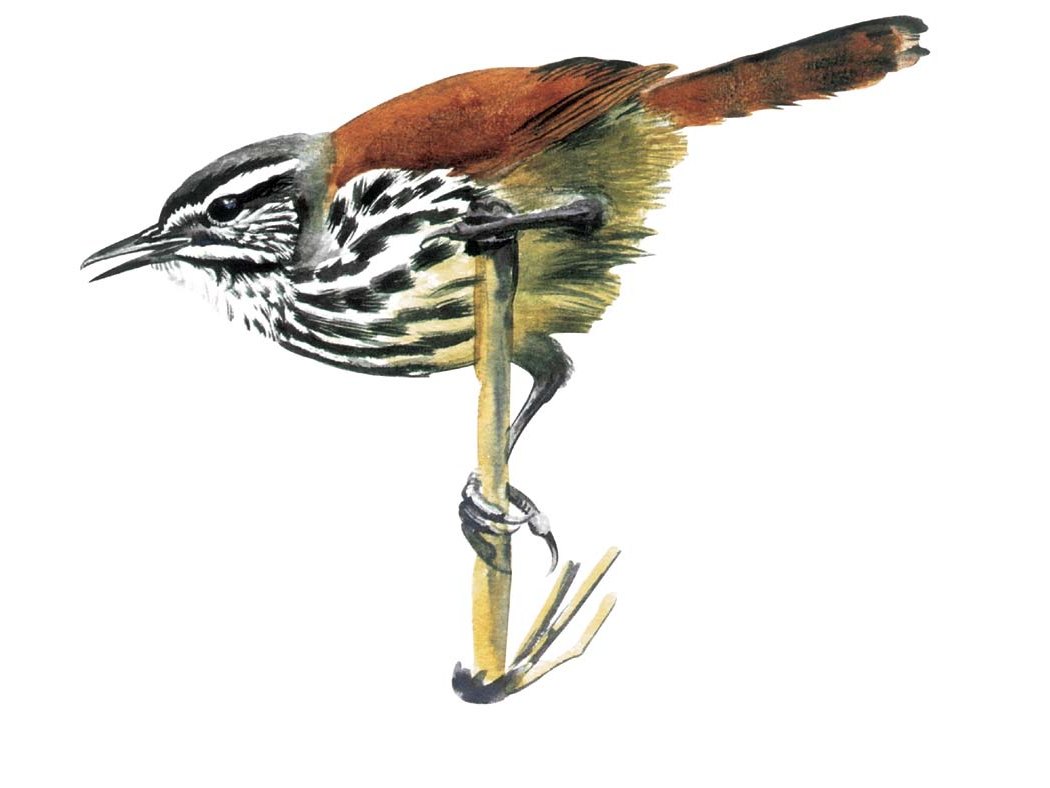
Thryothorus eisenmanni
Found only around Machu Picchu, it wasn’t discovered until 1979 — it’s hard to spot, but its song is unmistakable. It lives in small flocks of its own kind.
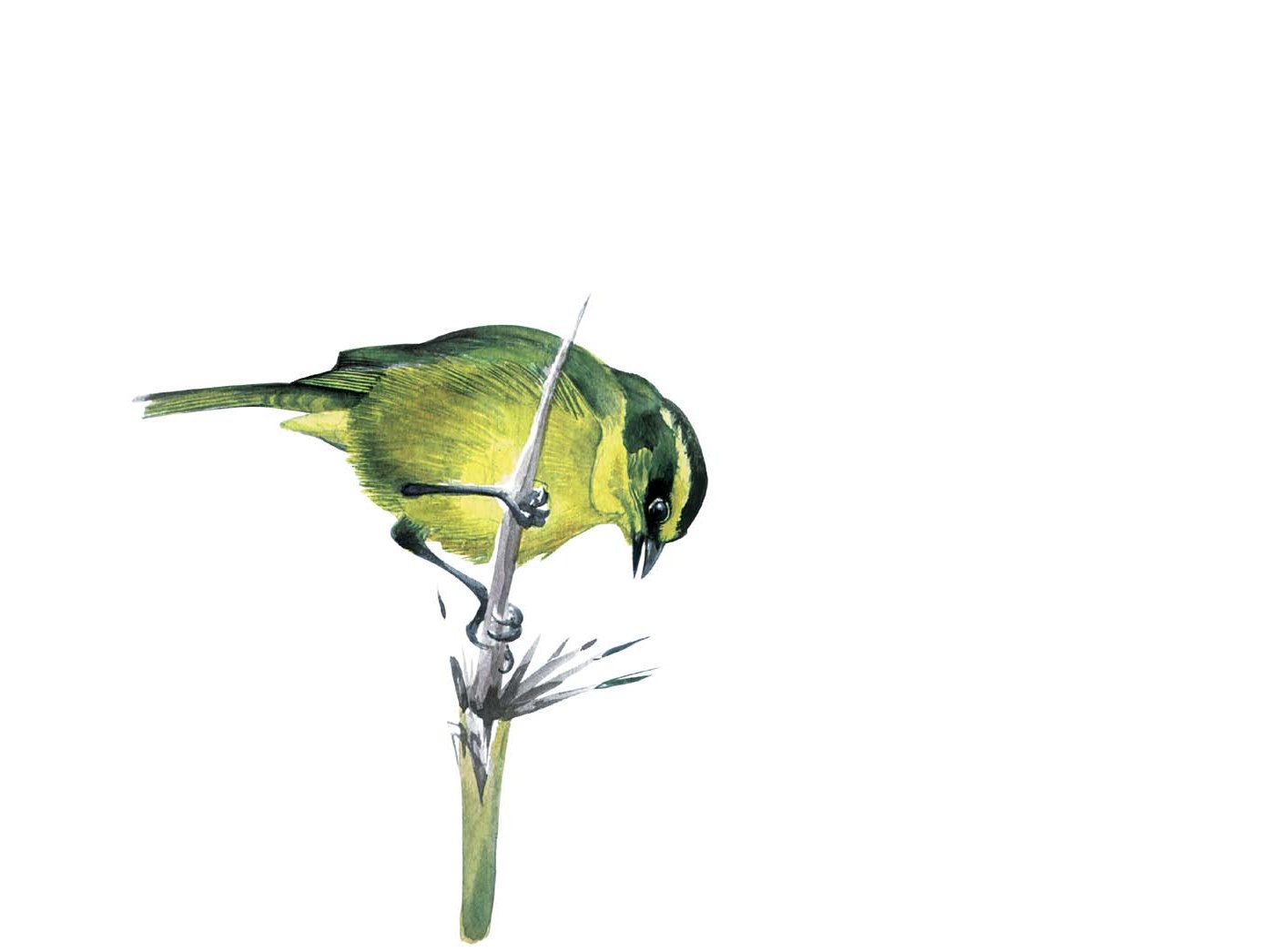
Hemispingus parodii
Endemic to Peru, it lives among the bamboo, forming mixed flocks with its cousins, the tanagers.
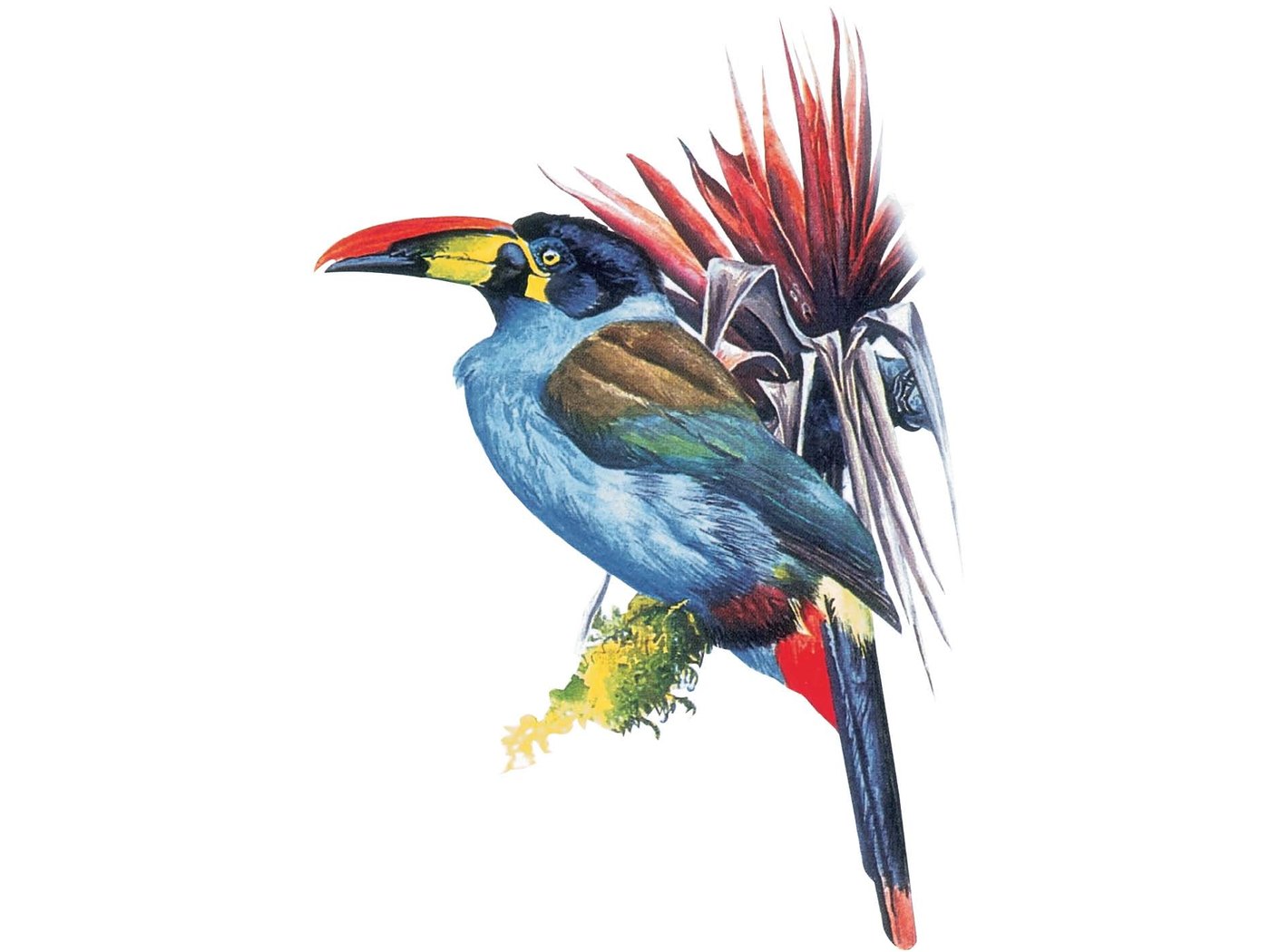
Andigena hypoglauca
A toucan of the mountain woodlands, with a red, yellow and black bill.
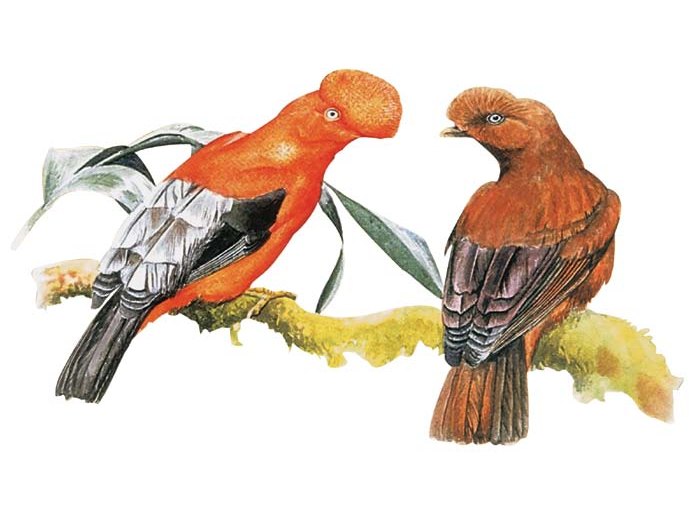
Rupicola peruviana
Peru’s national bird is a sanctuary resident too — the males a blaze of scarlet, the females a soft brown.
Text: Oscar GonzalesVultur gryphus
Unmistakable, with a wingspan of nearly three meters. It feeds on carrion and practically floats on the currents of warm and cold air.
Text: Oscar GonzalesText: Oscar Gonzales, ornithologist at the Natural History Museum of San Marcos University, Lima
The sanctuary has no festivals of its own in our archives — but the towns along the route more than make up for it.
Pending: check with the team whether the town of Machu Picchu has festivals of its own.