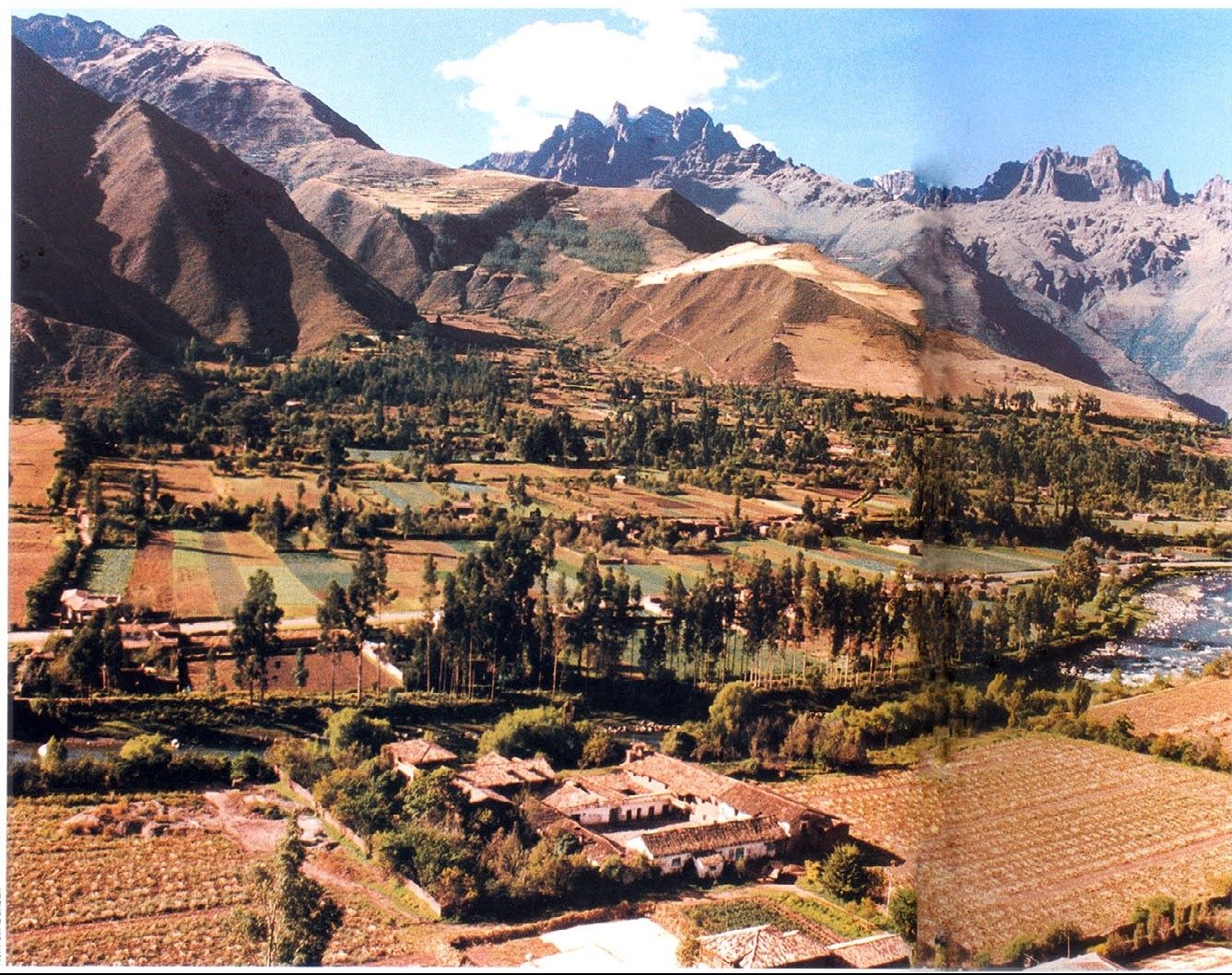
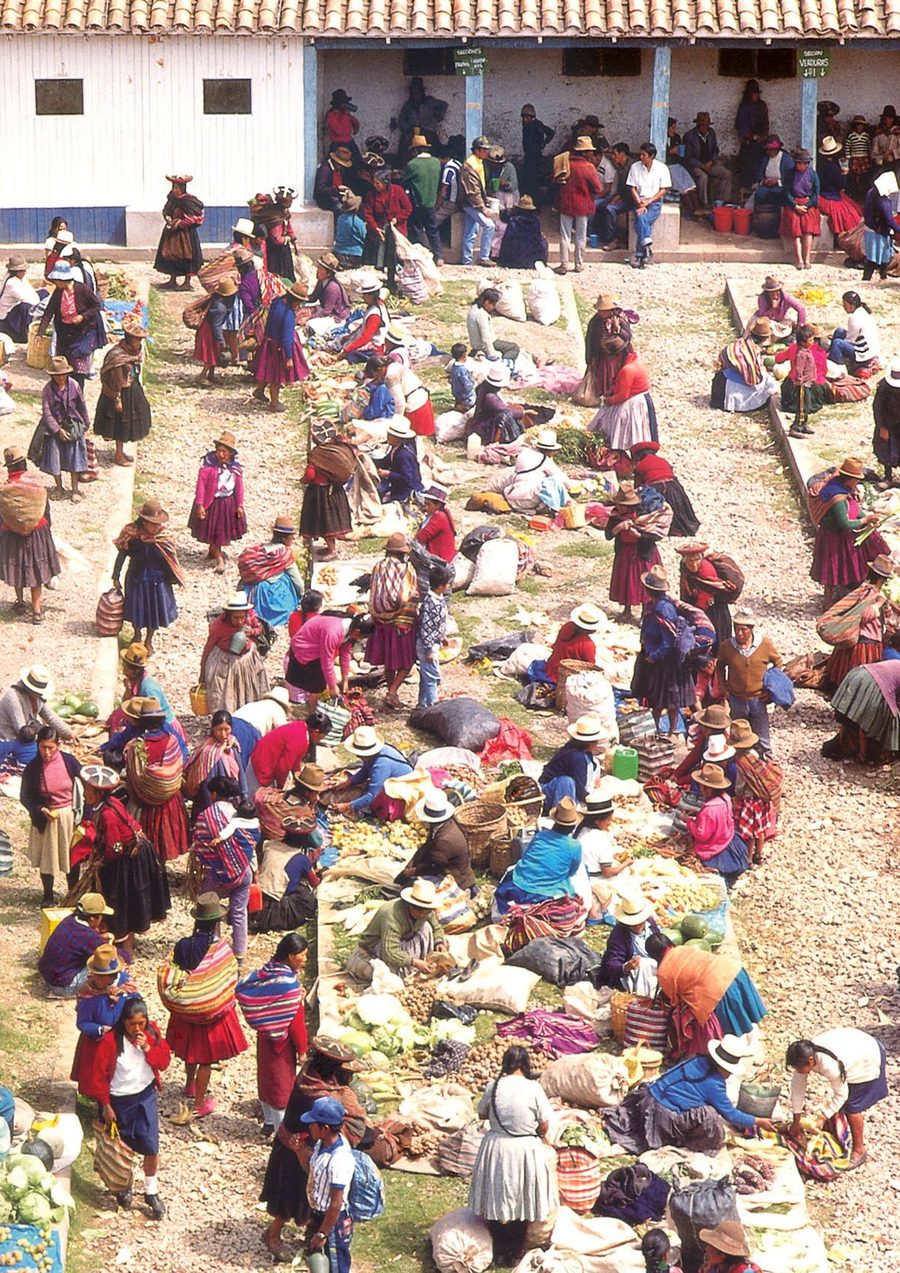
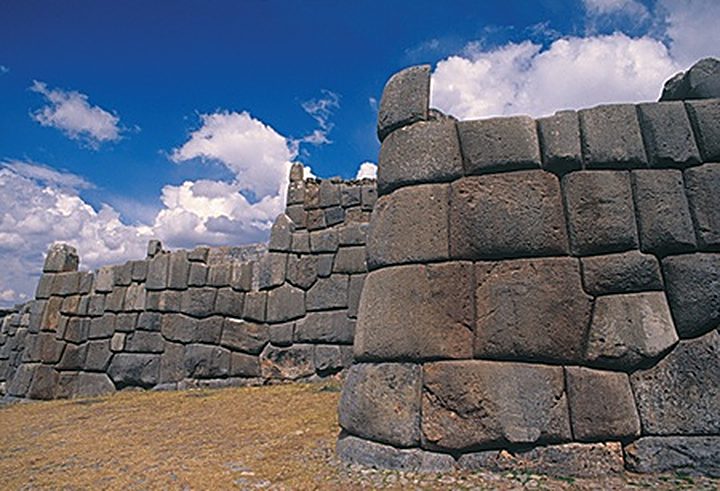
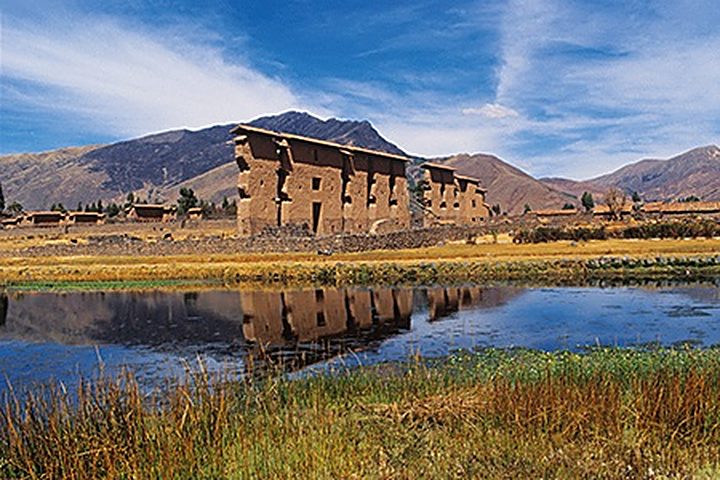
Villages, farms and communities strung along the Vilcanota: the valley that fed Inca Cusco, best savored as a traveler rather than a tourist.
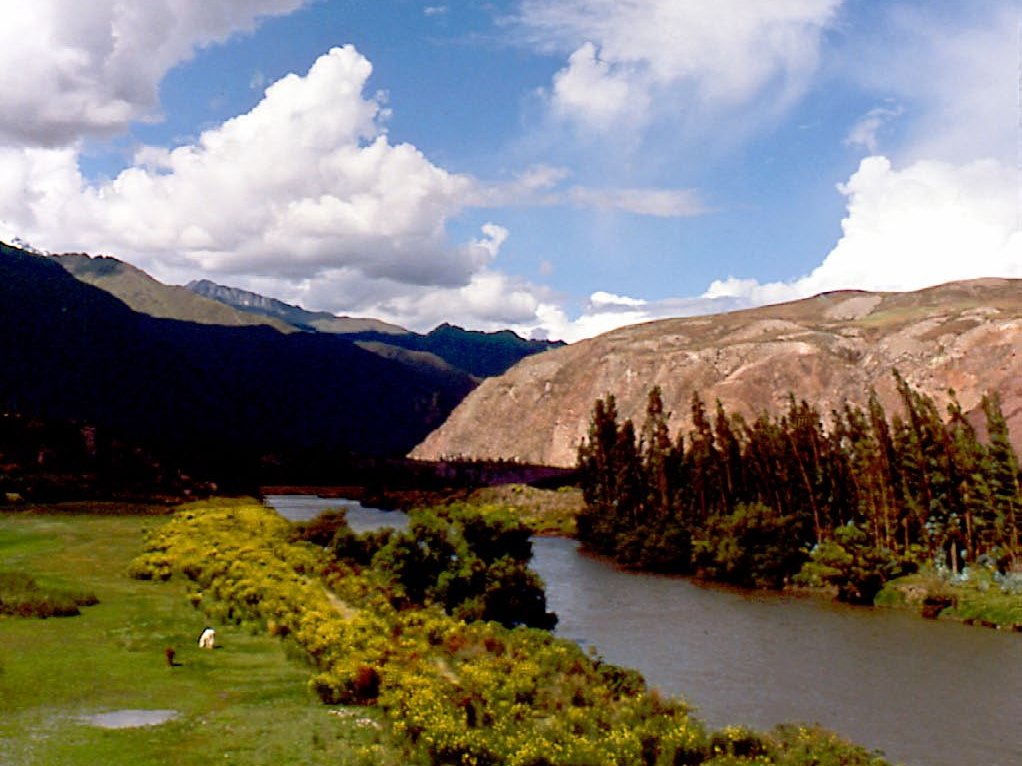
The Yucay Valley · Photo: Roberto Fantozzi
“The Sacred Valley of the Urubamba is, like much of the Cusco area, an inexhaustible source of surprises. There are always new attractions to discover among its farms and villages.”
Rafael León
Cecilia in the Sacred Valley
In 1993 and again in 2000, Cecilia explored the Sacred Valley with the BienVenida team.
“Out in the countryside we could admire the magical light that falls on the valley, the deep blue of its sky and its picture-book villages — where time seems to stand still, and a past that is still present lingers in the streets and in the people.”
Editorial, 1993
Read more
2000
“In today’s tourism, comfort seems to have replaced curiosity. Most tours available no longer offer the opportunity to make contact with the people who live in the places you visit.”
2000
“The true traveler goes in search of new cultures, different scenery and other people, and when you travel as a traveler — rather than as a tourist — you will return home transformed and enriched by the new cultural experience.”
2000
“Our cultural past, the scenic variety of Peru and the warmth of our people all contribute to this. Let us be aware of it in order to preserve it.”
Excerpts from the editorials signed by Cecilia Raffo, editor of BienVenida magazine.
Must-sees
Nine stops along the valley
From Pisac to Ollantaytambo, following the river: Inca terraces, master weavers, heirloom potatoes and a dash of adrenaline. Tap any highlight to follow it in the Road Book.
Road Book BienVenida
Routes through the Sacred Valley
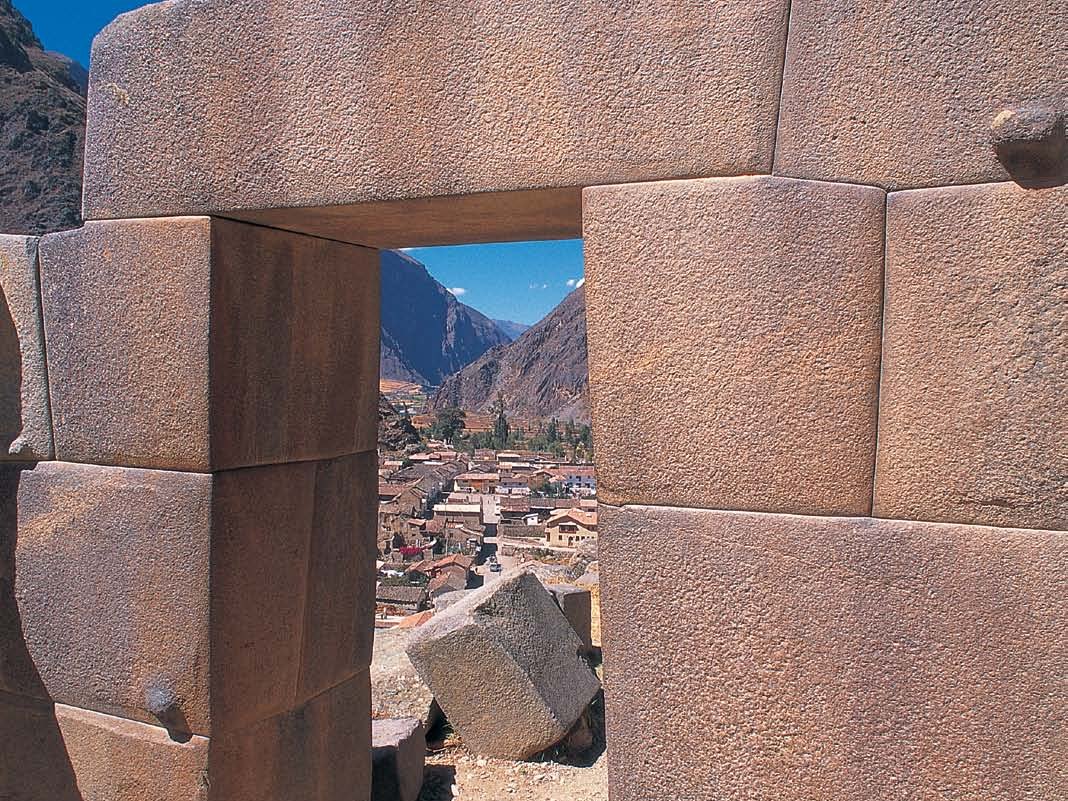
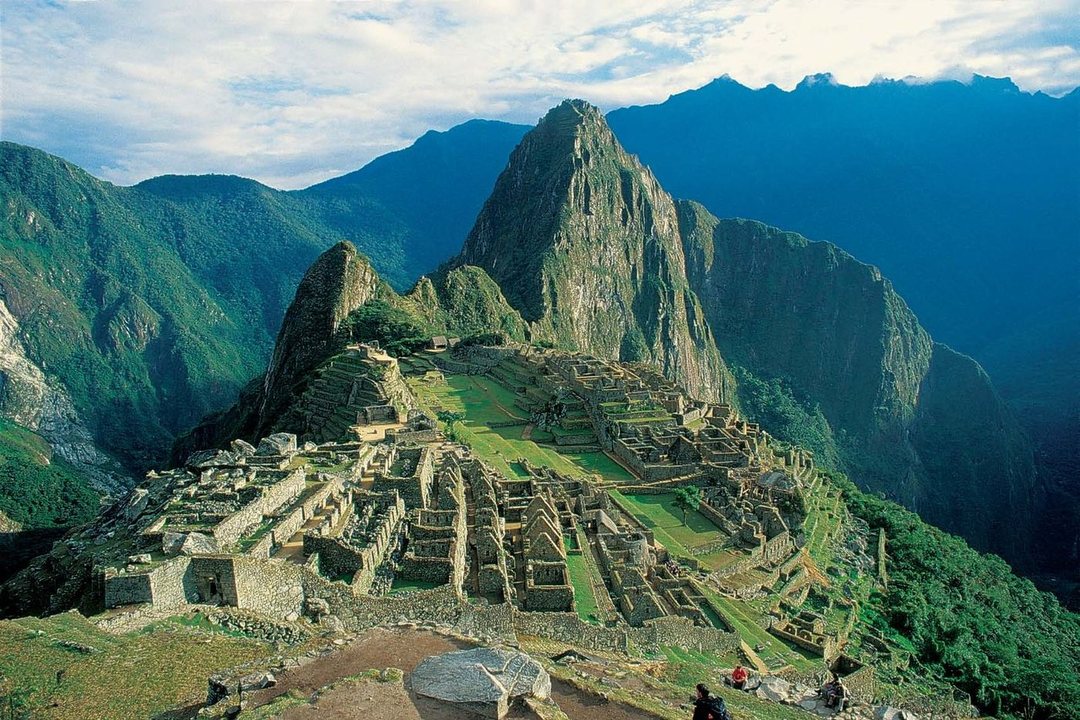
With three or four days in Cusco, the ideal plan is to spend the first two in the Urubamba Valley: it sits 500 meters lower than the city, eases you into the altitude and is just two hours by train from Machu Picchu.
Road books by the BienVenida team
Where to eat
From picantería to huatia
Gargantuan portions in Urubamba, a buffet of heirloom potatoes high above Pisac and farmhouse cheeses in Yucay: in the valley, you eat what the land provides.
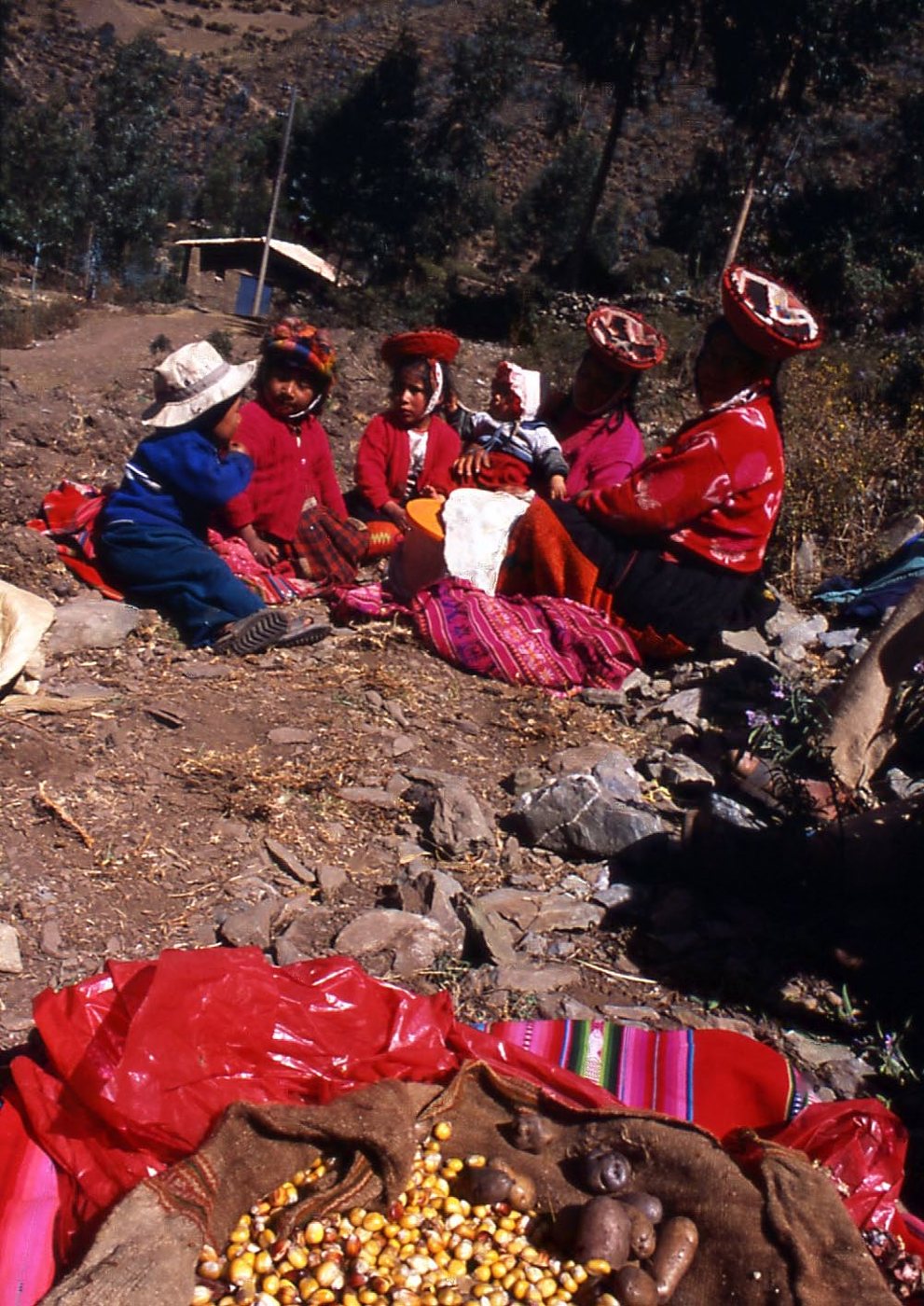
Valley dishesWhole roast cuy (guinea pig)TroutCorn on the cob with cheeseSolterito cheese saladHeirloom potatoes baked in a huatia (earth oven)
Text: Abelardo Sánchez León, Rafael León, Tammy Stenner
Draft: places reviewed between 2000 and 2008. Confirm they are still open before publishing.
Where to stay
From backpacker lodges to adventure hotels
The valley is the best place to acclimatize — it’s lower than Cusco. And the train to Machu Picchu leaves from Ollantaytambo.
Text: Rafael León, Teresina Muñoz-Nájar, Guillermo Castro
Draft: hotels mentioned in the 2000–2008 issues. Confirm they are still open.
Textiles
When hands speak
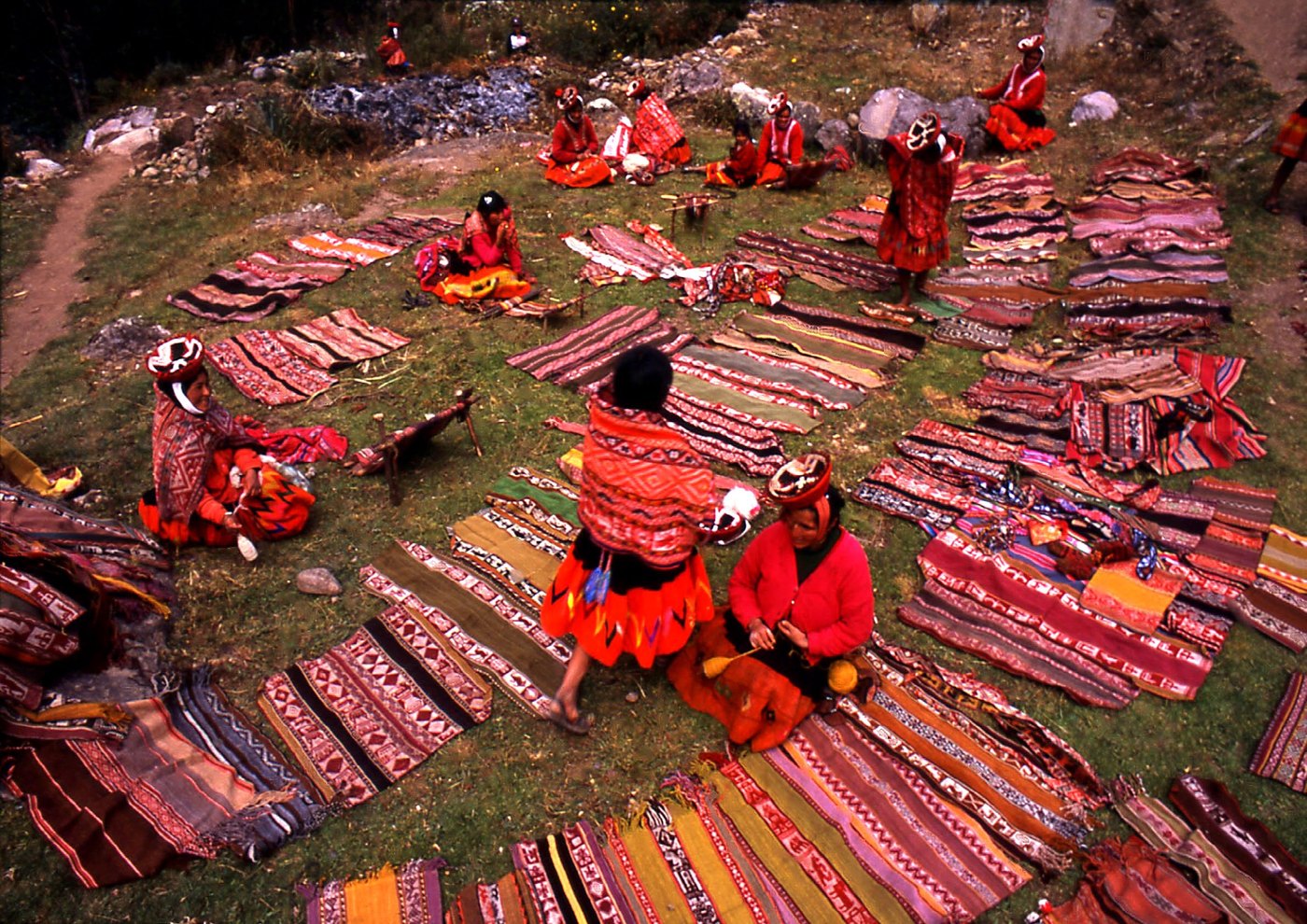
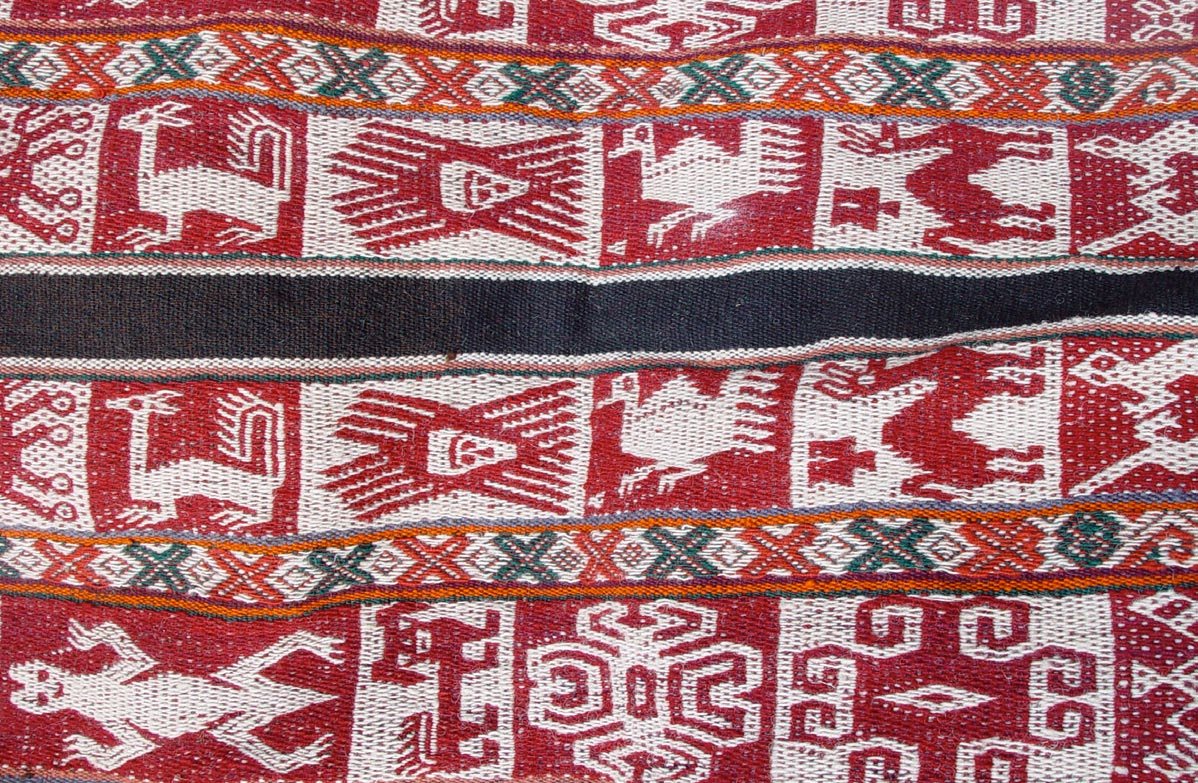
To the Inca nobility, textiles were worth more than gold: faced with the conquistadors, they hid or burned their cloth before their idols. Today, in the villages of the valley and southern Cusco, weavers are reviving the techniques, dyes and designs of their grandparents.
7 to 8 daysto spin one thick skein
4 hoursfor two people to warp a large blanket
53loraipo designs in Chinchero’s textiles
260weavers at the Huilloc center
From fleece to blanket
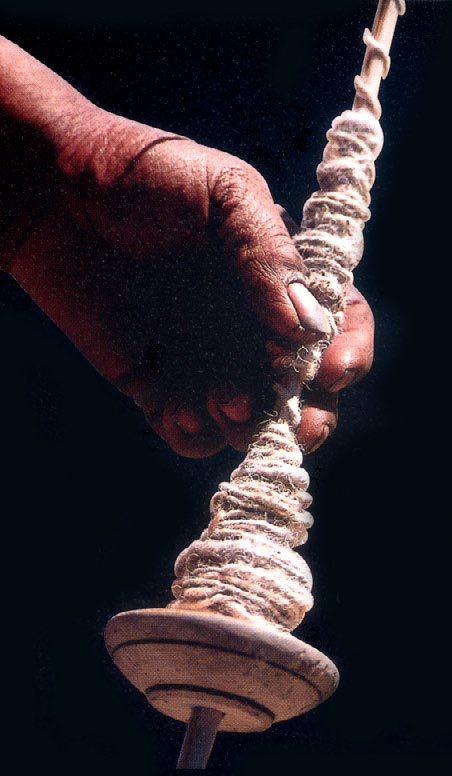
The pushka, or drop spindle
Step 1
Spinning
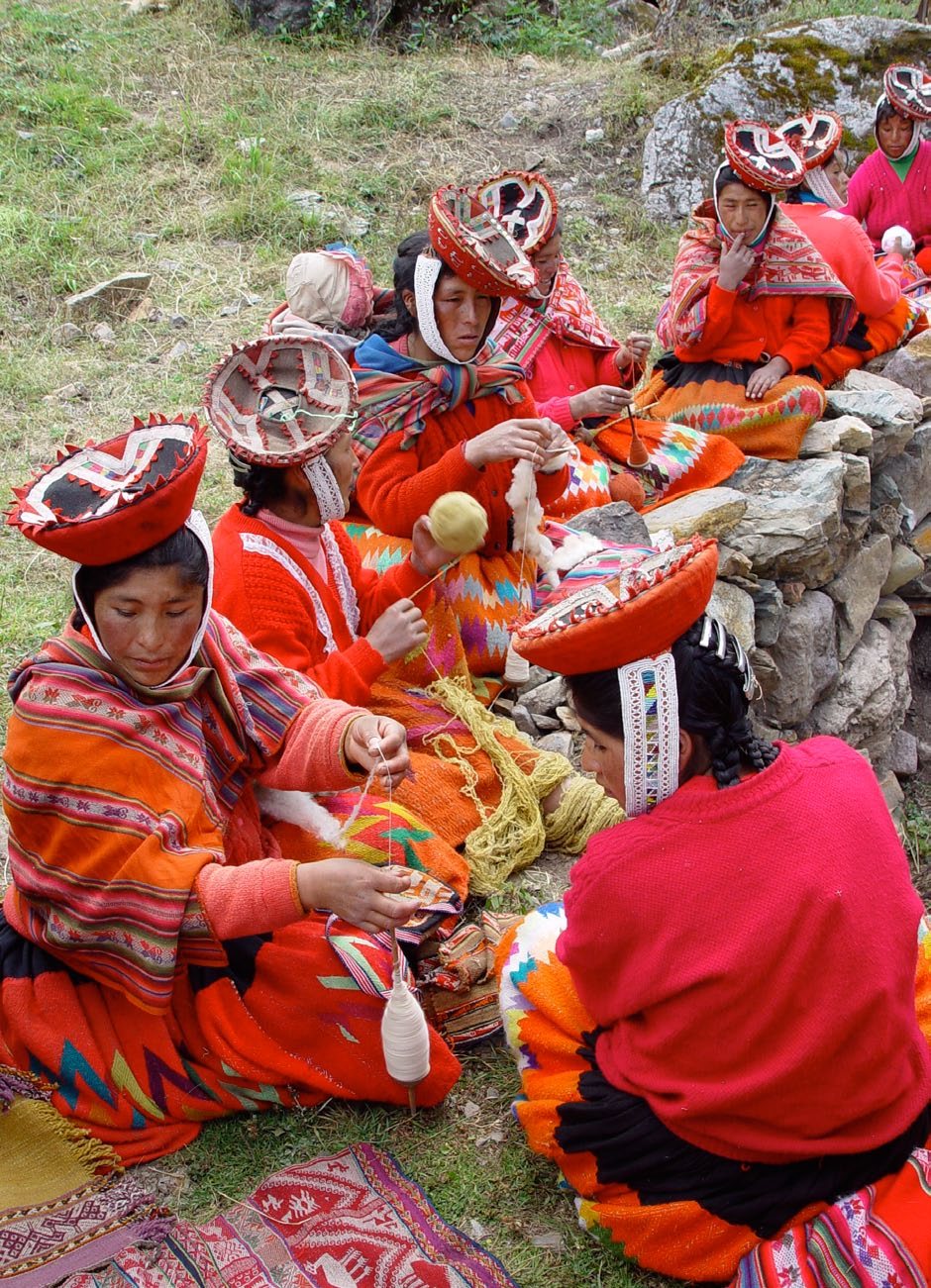
Spinning a thick skein takes seven or eight days — which is why Andean women rarely put down their pushka, or spindle, even while walking or herding.
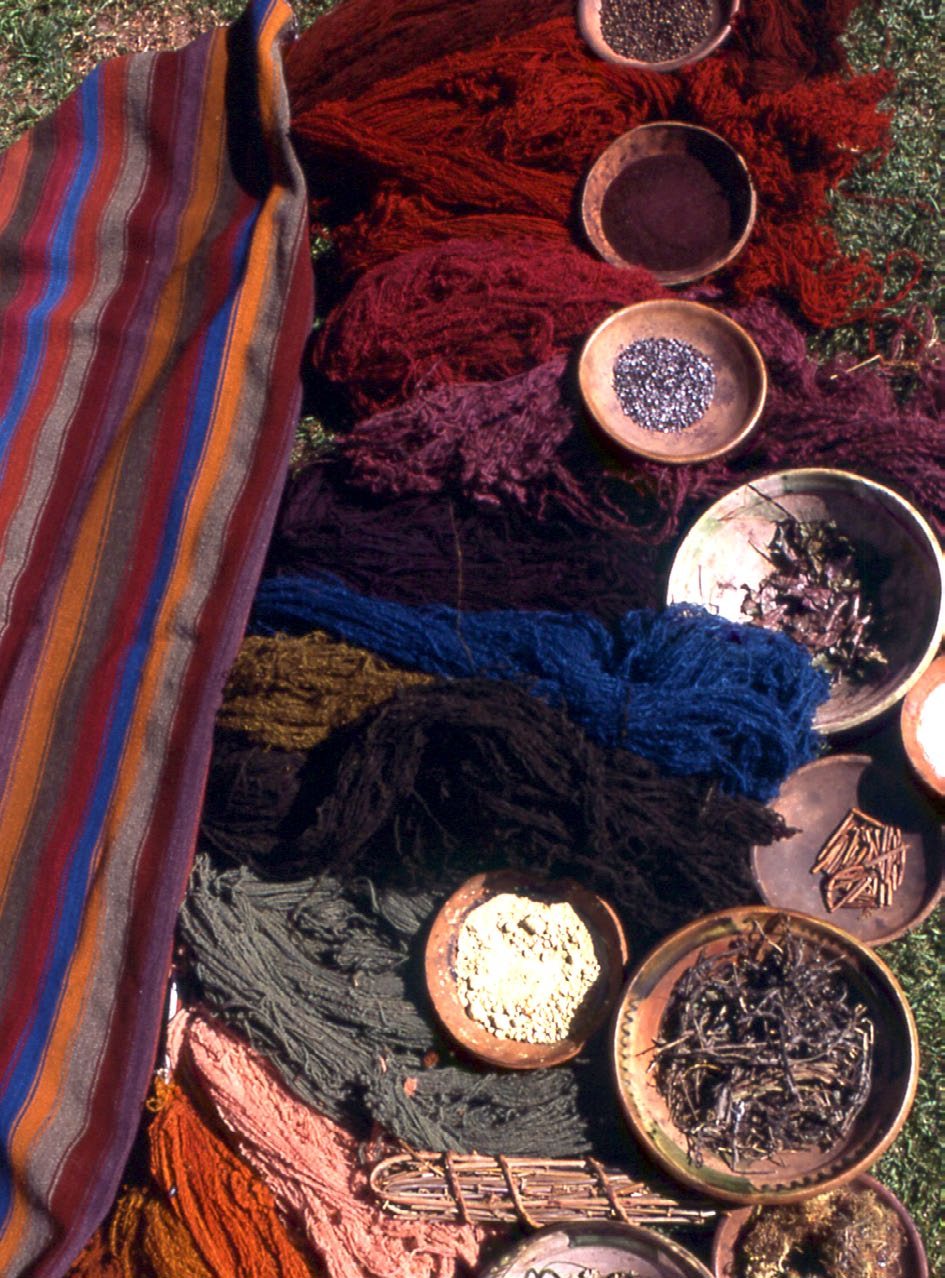
Wool and natural dyes · Photo: Roberto Fantozzi
Step 2
Dyeing
The skein is washed, dyed, washed again and twisted. The weaving centers have returned to dyes made from plants, insects and minerals.
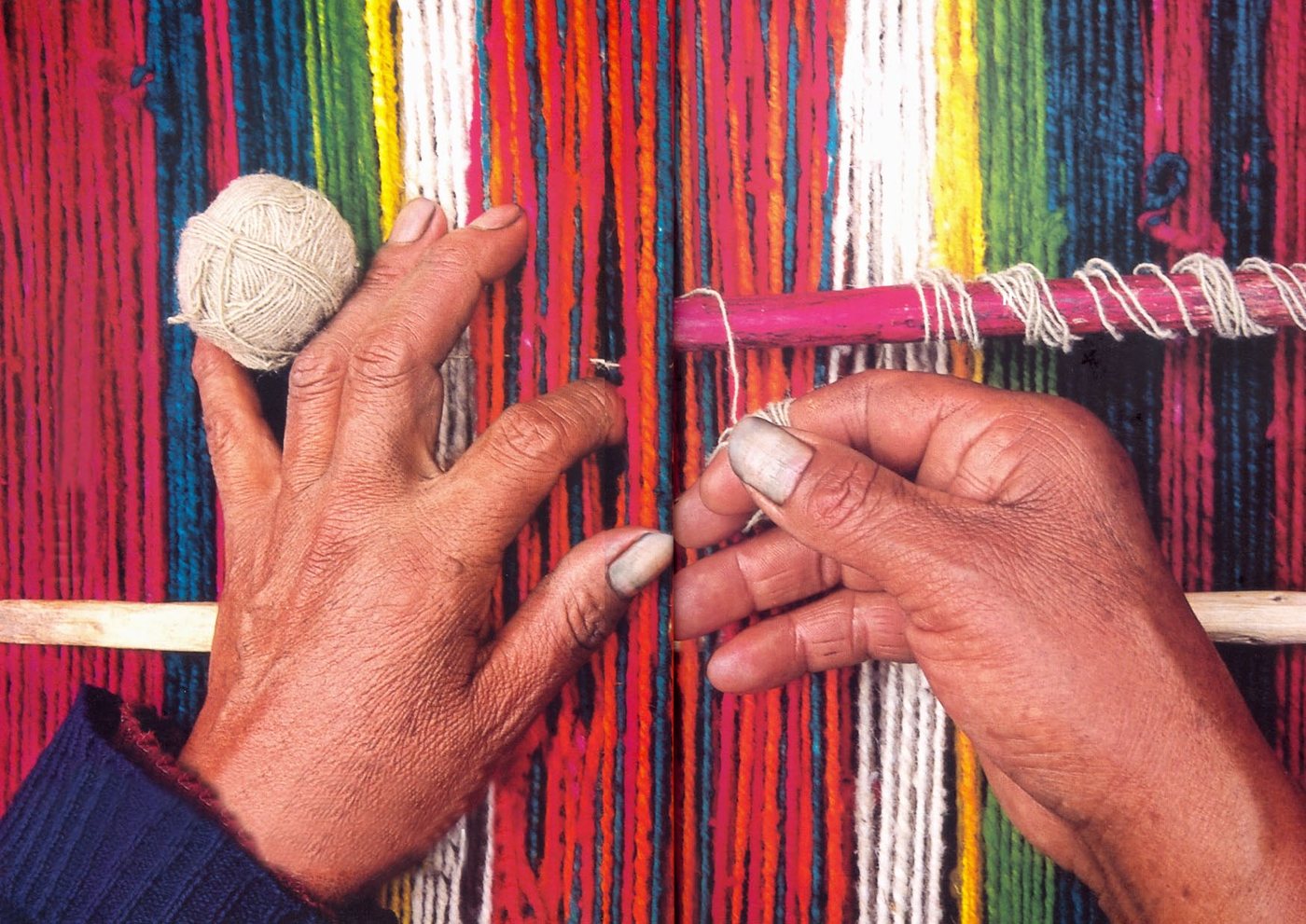
Hands on the warp · Photo: Walter H. Wust
Step 3
Warping
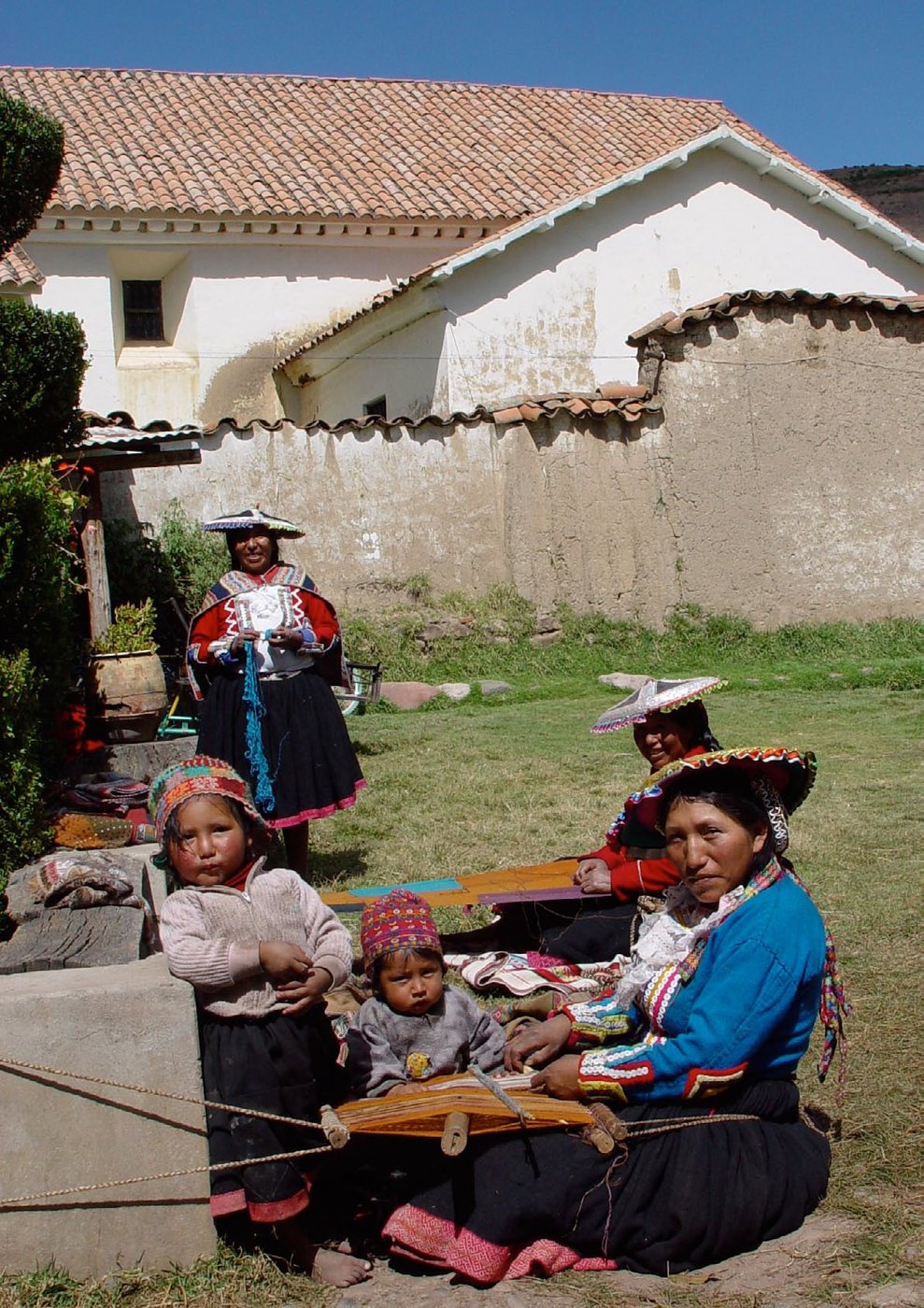
The loom is set up: the length and width of the cloth, the color combination, the main color and the border. Warping a large blanket takes about four hours, with two people.
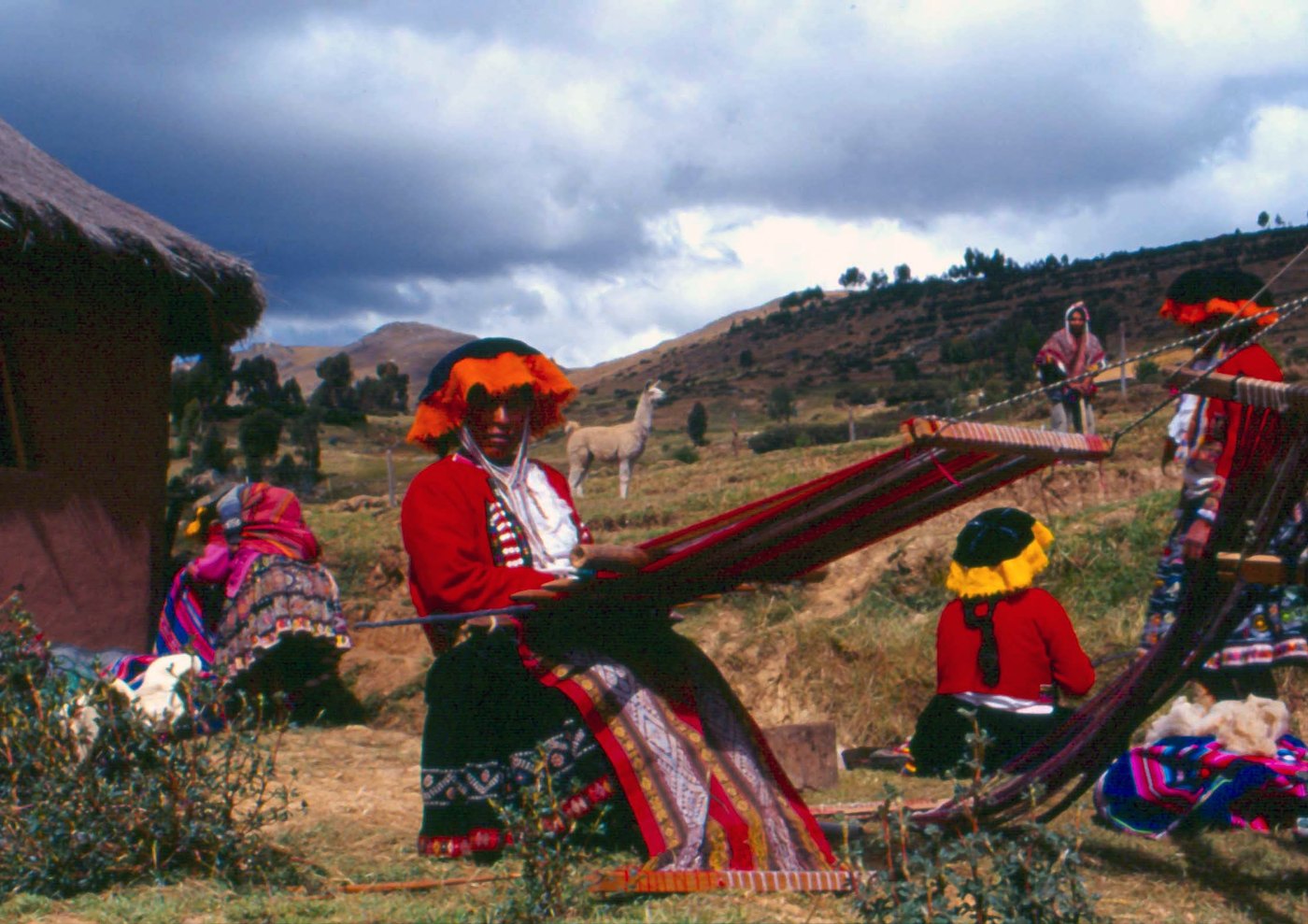
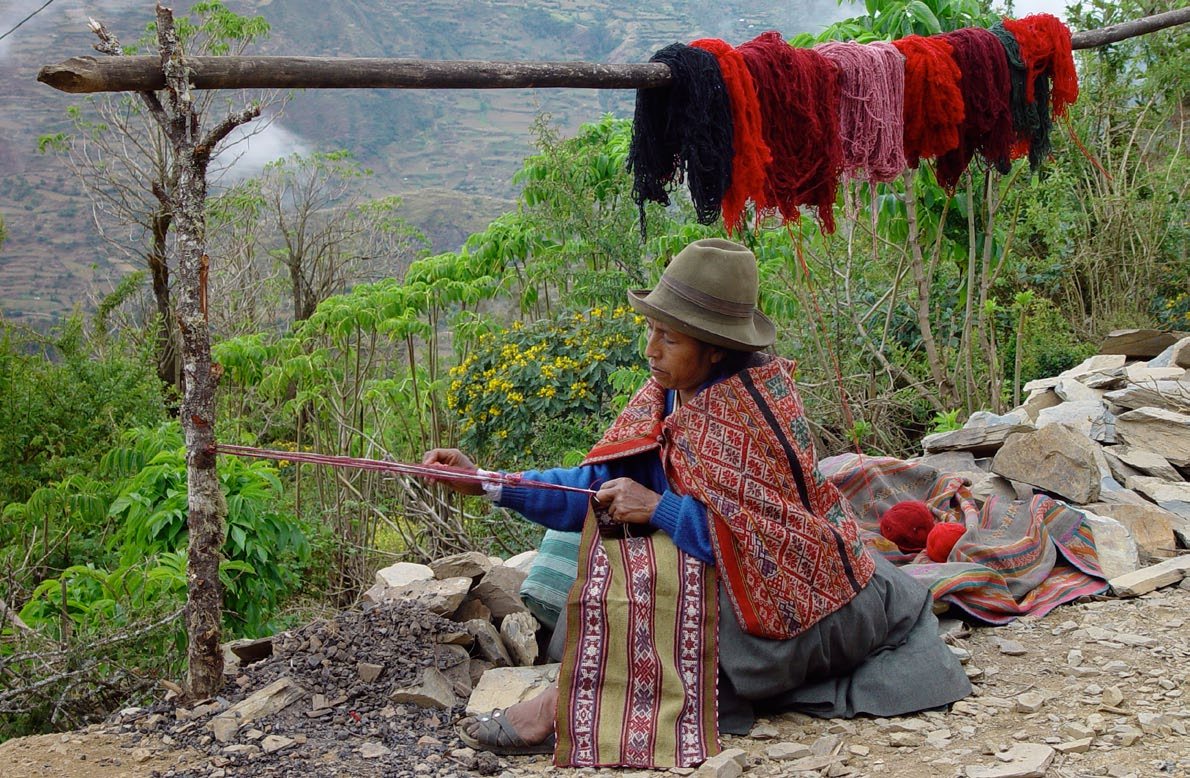
A weaver from the Lares Valley · Photo: Roberto Fantozzi
Step 4
Weaving
On a backstrap loom or a four-stake loom. This is the crucial step: the design is born here, without patterns, from each weaver’s memory and surroundings.
Colors of the earth
Red, garnet and orangeCochineal, in varying proportions
GreenChillca
YellowLeaves and bark of molle, ch’ecche, kiko and cqolle
BrownWalnut
PeachChapi
BlueIndigo, the hardest of all: it’s fermented with urine
Every village, its own style
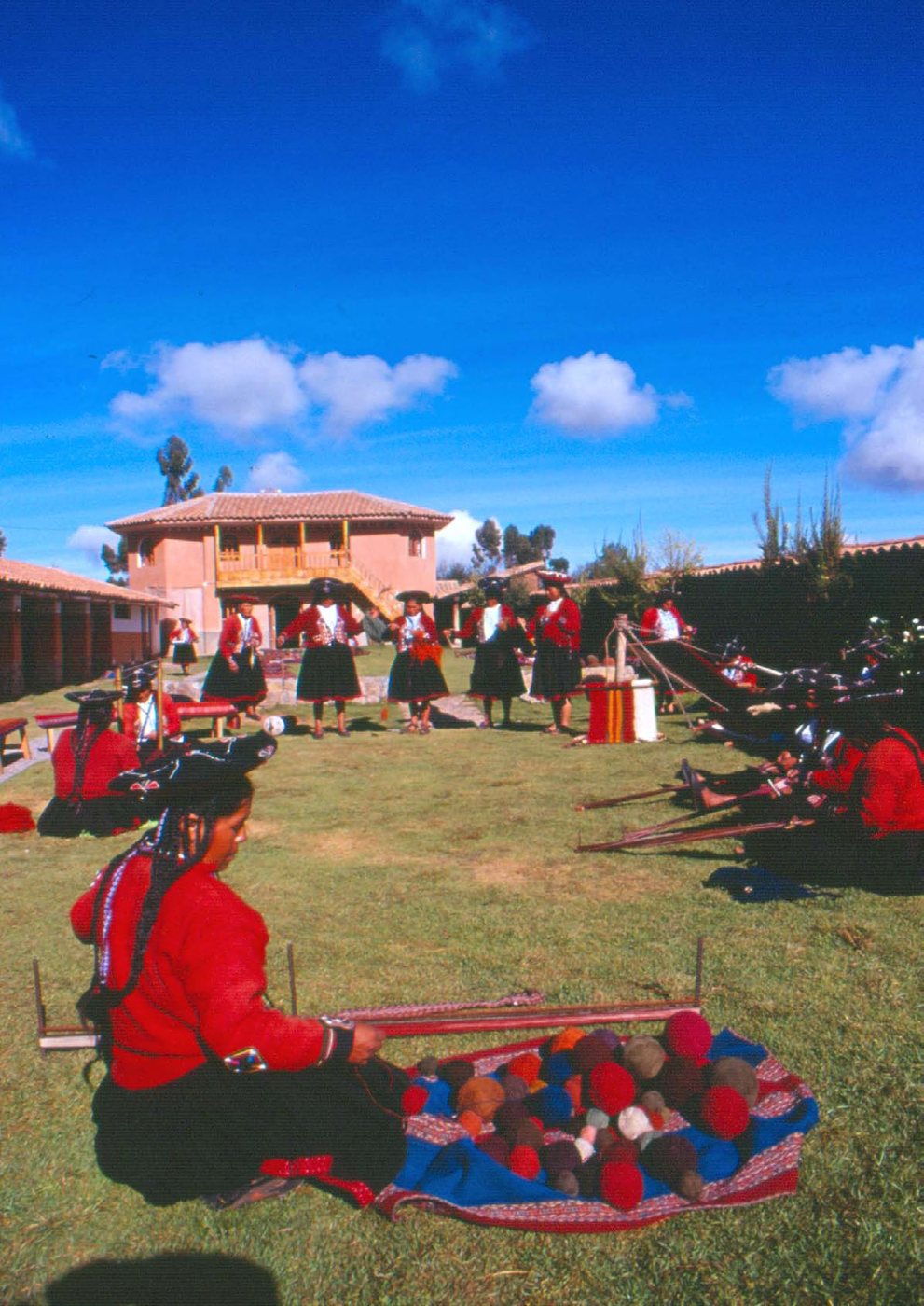
Weavers at the Chinchero Textile Center · Photo: Roberto Fantozzi
Chinchero
Chinchero Textile Center
Awai Riccharichiq
In her early twenties, Nilda Callanaupa saw that her grandmothers’ weaving was dying out; with seven friends she asked the elders to teach them what they knew, and so the Center for Traditional Textiles of Cusco was born, formally established in 1996. Thirty-eight women spin, dye and weave without patterns: their 53 loraipo designs speak of a cyclical universe. On Saturdays they teach some sixty children.
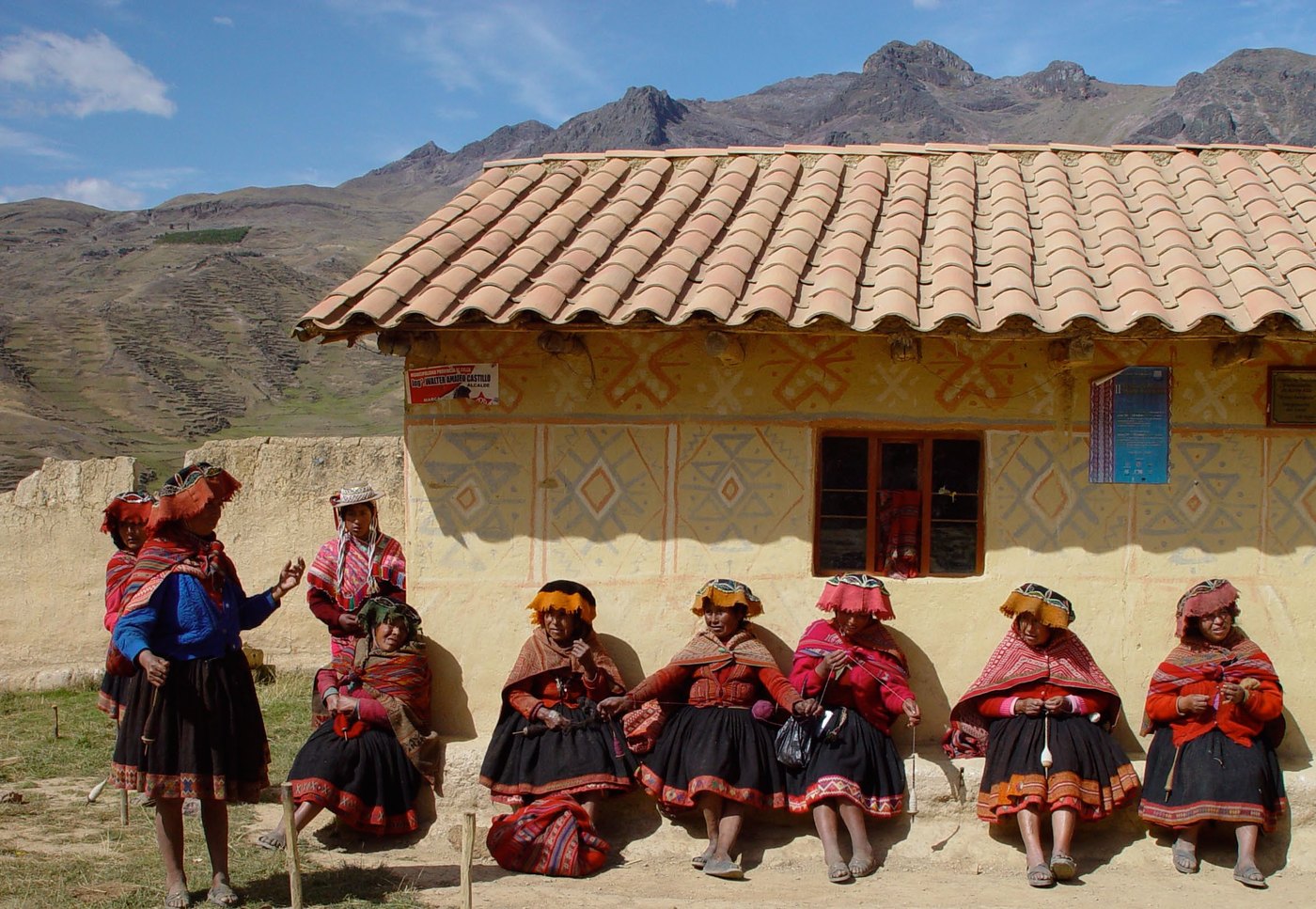
In Choquecancha, weaving and conversation happen on the square · Photo: Roberto Fantozzi
Lares Valley
Accha Alta, Ccachín and Choquecancha
The threads of Lares
In Accha Alta, weavers from neighboring communities gather at their Textile Center. In Ccachín, some 300 farming families weave blankets inspired by nature. Across the valley in Choquecancha — a living Inca town with 14 niches on its square — women weave and chat in public spaces.
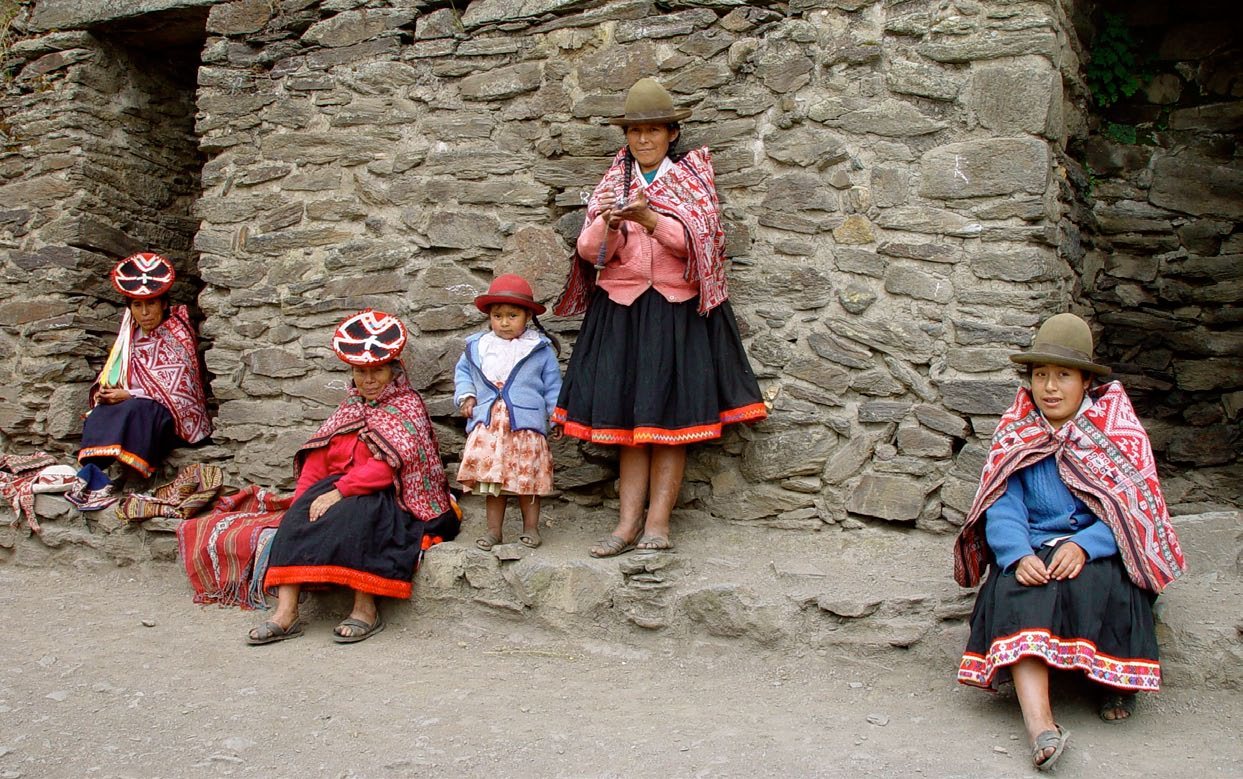
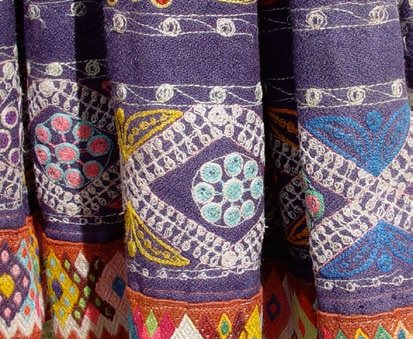
Forty-five minutes from Pisac, inside the Potato Park. The oldest association, run by the Illa Ccoyo brothers, brings together 56 people: here the men weave and the women spin. In Justino Yucra’s association, the women wear exquisitely embroidered skirts found nowhere else in the area.
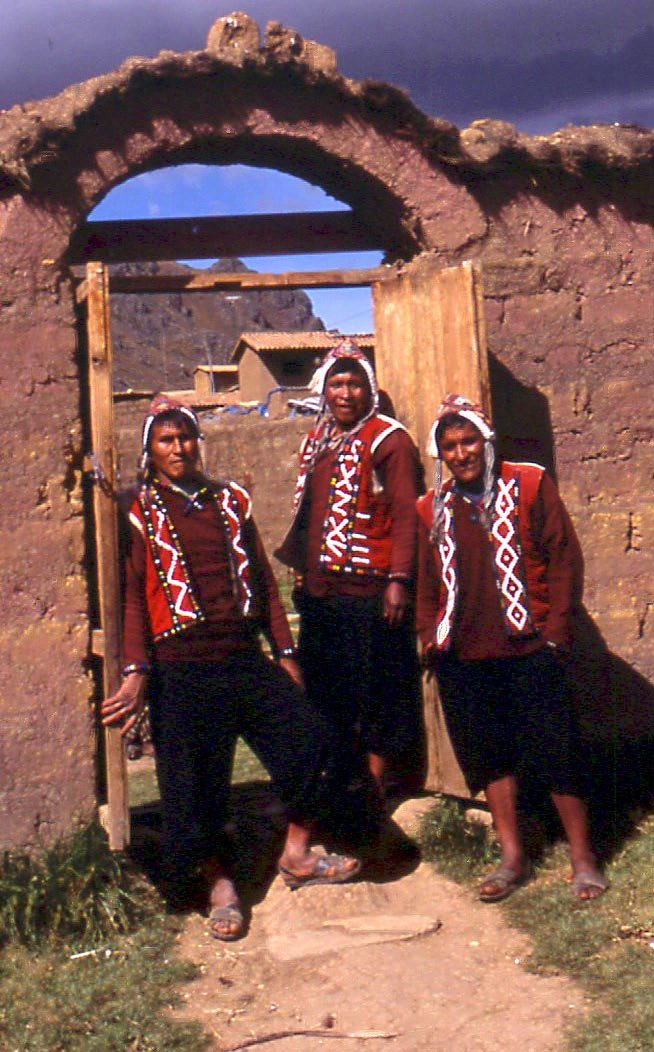
They’re called huayruros for the vivid red of their clothing; the women wear monteras trimmed with ribbons, beads and rows of safety pins. Their Textile Center started with 40 artisans and now has 260, 104 in Huilloc alone. In Ollantaytambo, the CATCCO museum works with them to revive ancient techniques.
When
On Saturdays they weave on the esplanade and sell directly to visitors
Perhaps the most emblematic place in southern Cusco: fine, intricate textiles made with a technique once thought extinct. Here the men weave too, pausing to play the pitu flute. On Mondays the whole village works; children dye with lichens and flowers, and only the masters weave. The pallay patterns depict water, flowers, animals, people and words in Quechua.
Pisac market. Tuesday, Thursday and Sunday — one of the most important craft markets in the valley.
Yuyarisun Cultural Center. Dresses, smocks, shirts and jackets inspired by the clothing of the valley’s farmers, colored with natural dyes, plus wooden toys.
Ollantaytambo pottery. At the CATCCO museum, potter Luis Soler works with the same techniques as the ancient Peruvians.
Potato Park products. Rosemary shampoo, rose-petal soaps and chiri chiri cream made by the women of the Sipaswarmi group, plus native potatoes.
Text: Rafo León, Teresina Muñoz-Nájar and Guillermo Castro
Draft: visiting days and association figures from 2007. Confirm with each textile center.
Festivals
Festivals and markets
A cross that came floating down the river, a Christ Child who pays the town a visit, and the weekly markets.