

Cusco
The “navel of the world”: Inca walls, Baroque churches and a life that never stops, day or night.
“Cusco must be lived because, more than a city, it is an experience. Go to Cusco, traveler, and come back, as many times as your sense of beauty demands.”
Rafael LeónCusco lives and lives again
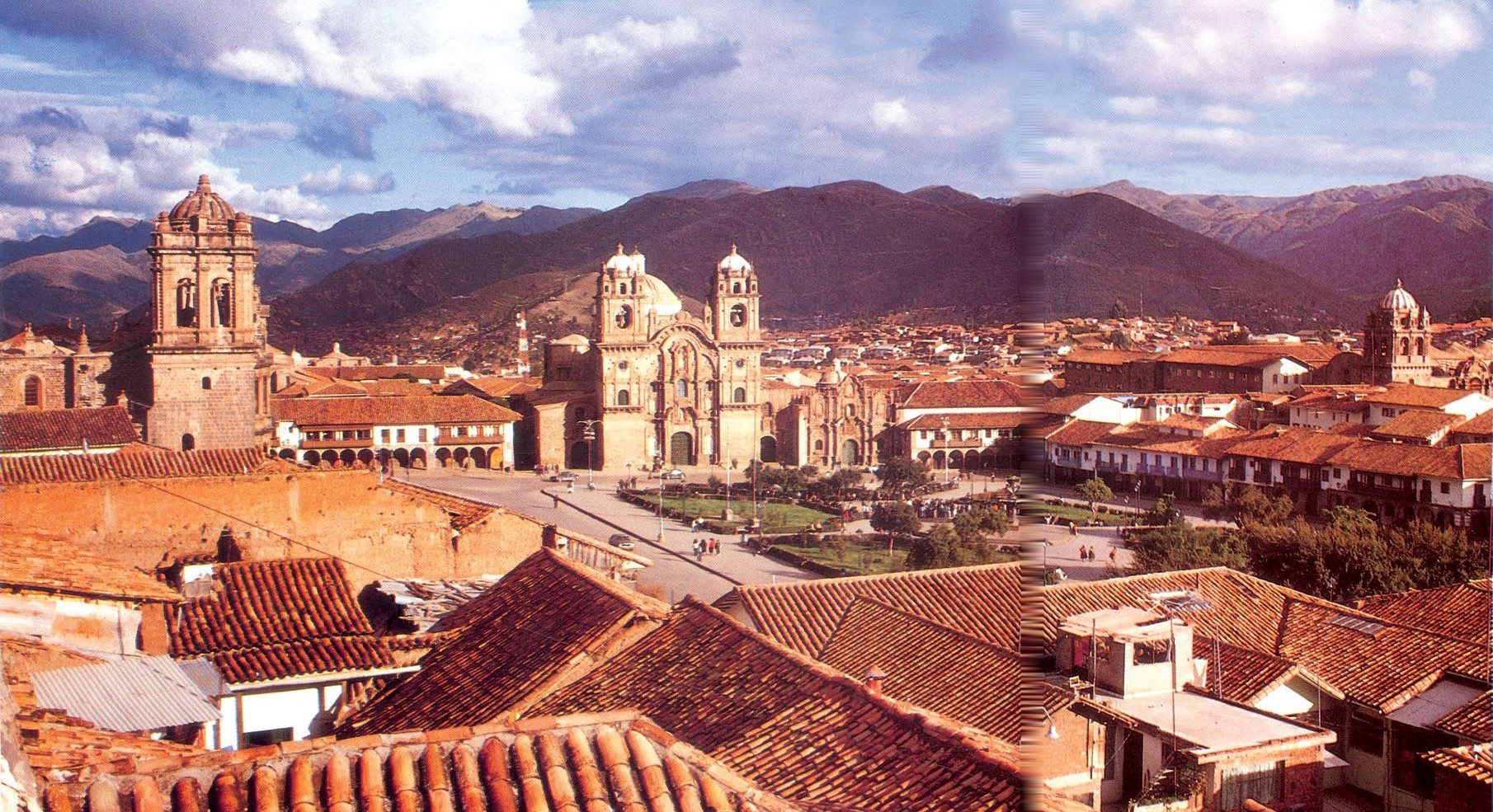
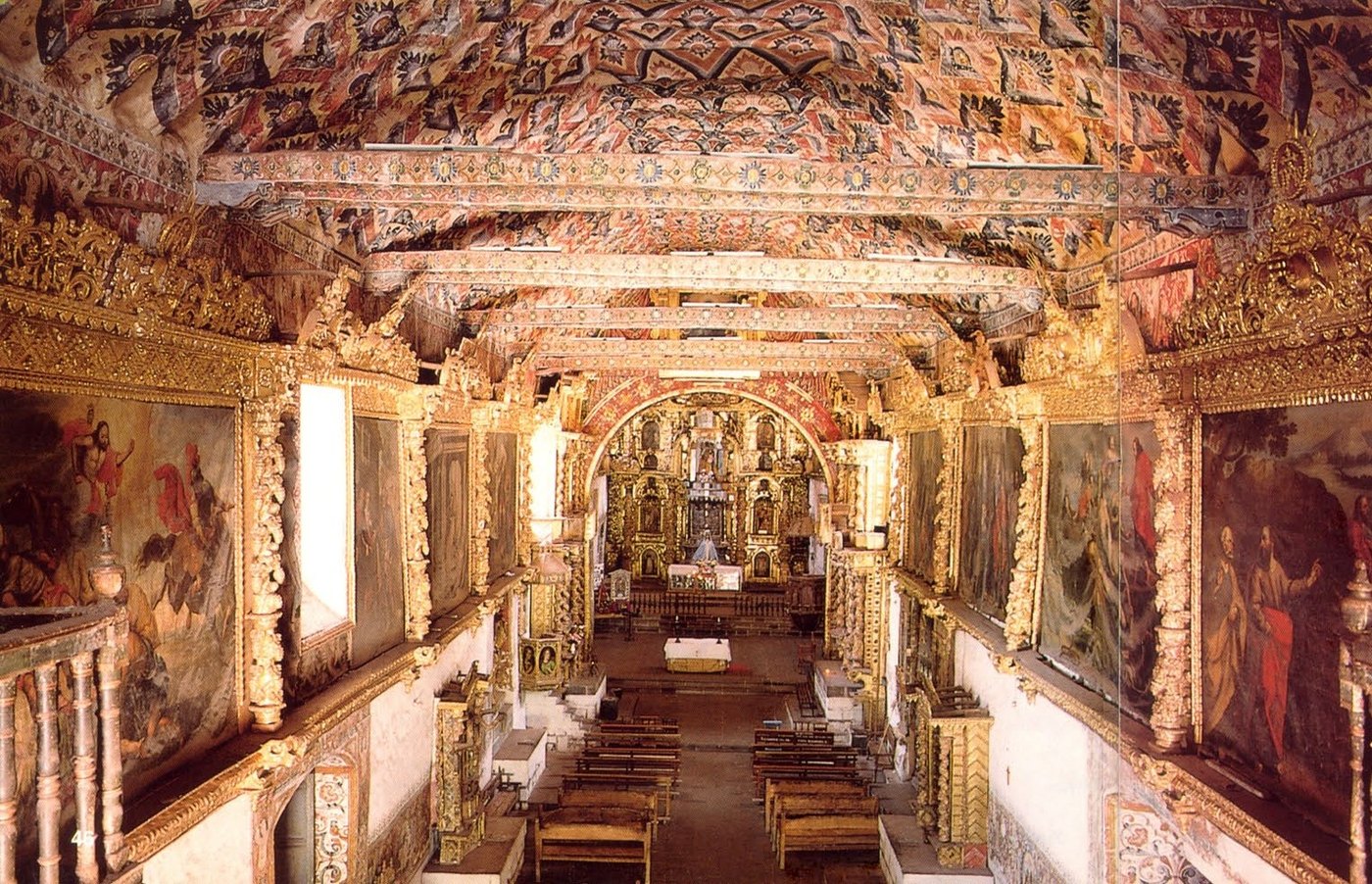
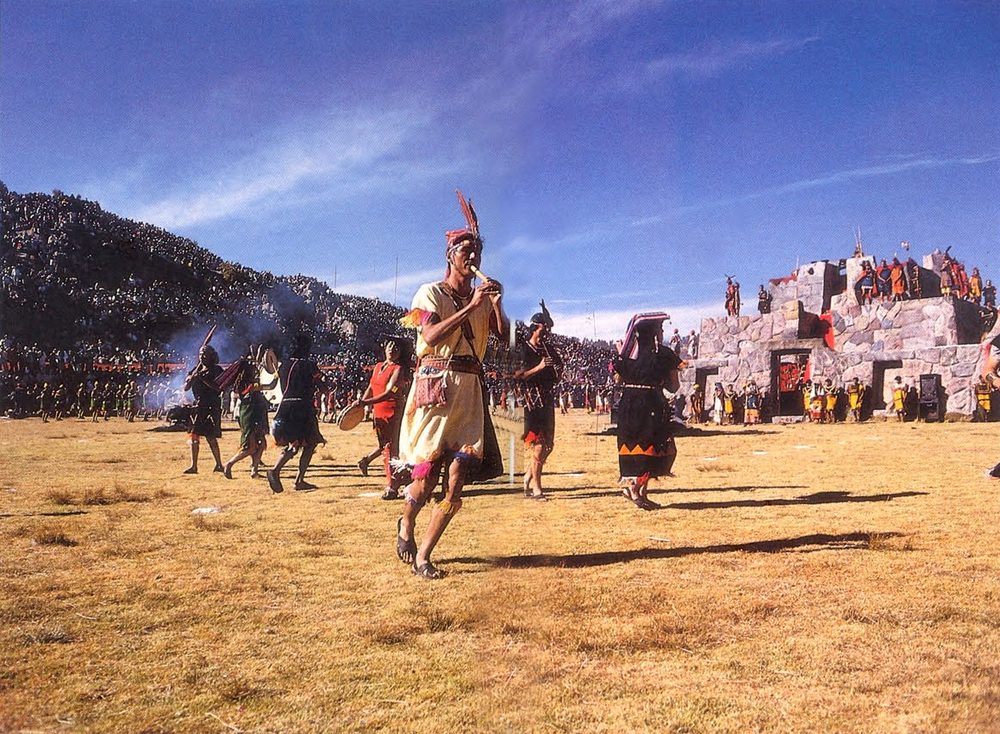
In Cusco, the blend of cultures on display every day — the product of a history full of conflict and clashes — is what most fascinates travelers. The most important Spanish churches stand on what were once Inca palaces and temples, and almost every street in the center shows colonial buildings resting on perfectly fitted Inca stone blocks.
Beneath every Spanish monument lies Inca evidence, which in turn rests on even older cultures. The Cathedral, for example, was built on the Kiswar Cancha, palace of the Inca Wiracocha; the Coricancha, the Temple of the Sun, became the foundation of the convent of Santo Domingo.
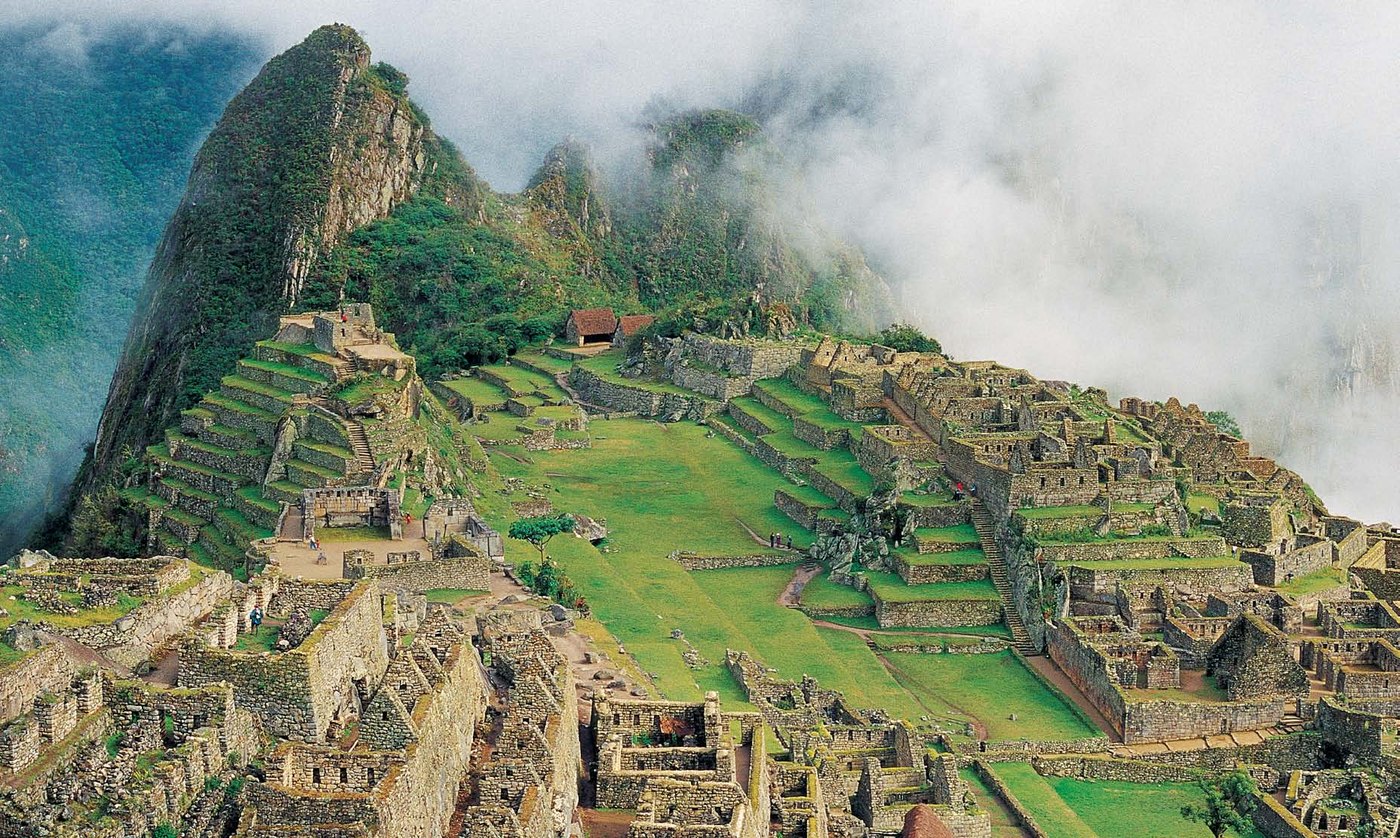
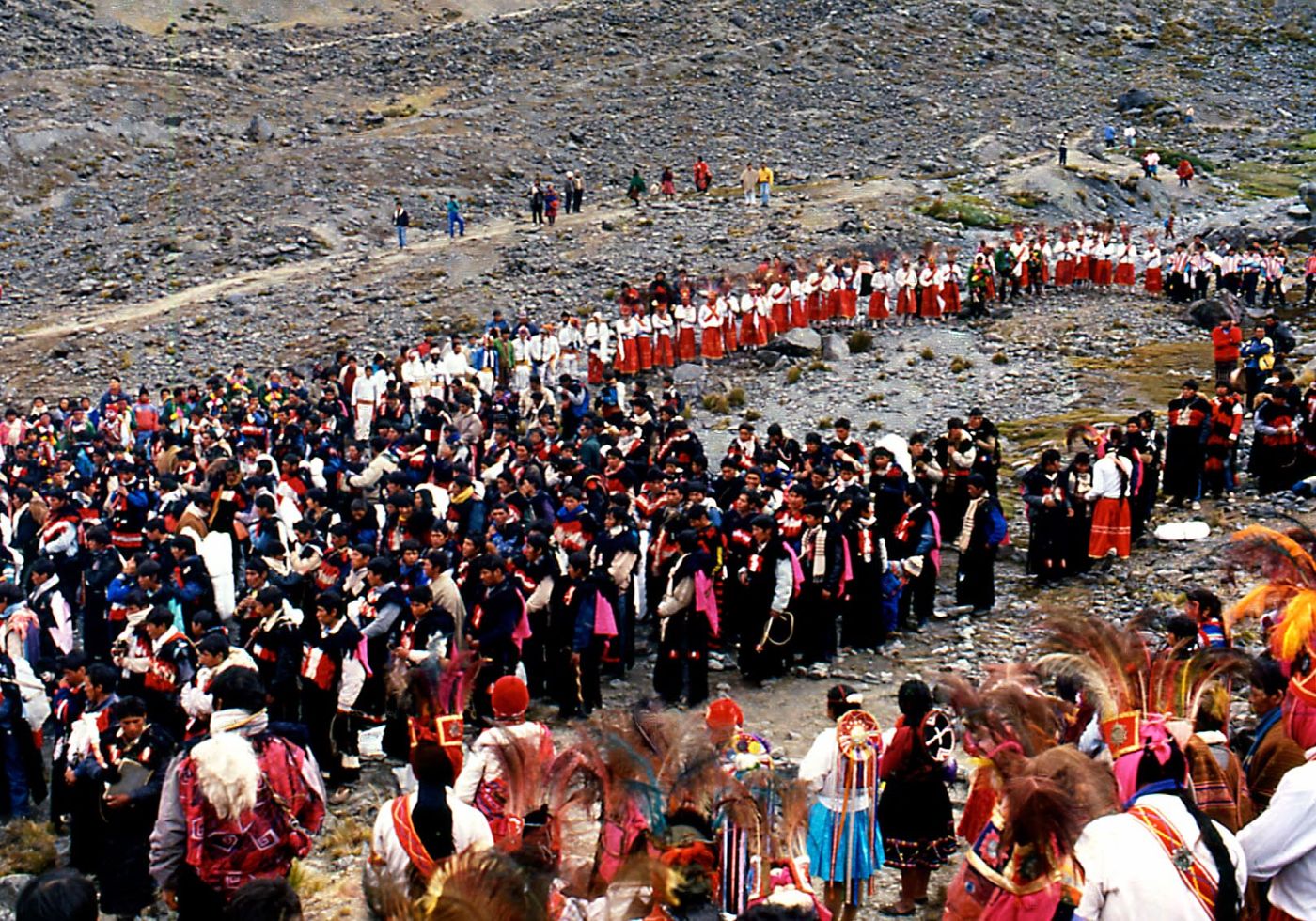
And from the city opens an inexhaustible region: the Sacred Valley, with its villages, fields and communities; the Inca Trail to Machu Picchu; the citadel of Choquequirao above the Apurímac canyon; the snowcapped peaks where Qoyllur Rit’i is celebrated; and, just 165 km away, the tropical forests of Manu.
Cecilia in Cusco
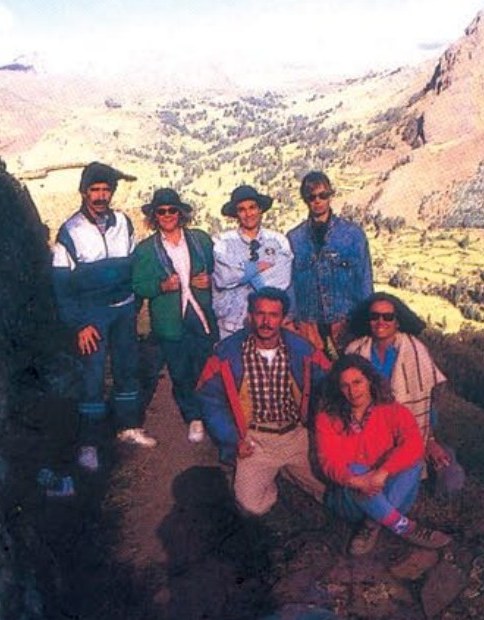
Cecilia Raffo edited BienVenida and returned to Cusco with her team again and again. This is how she told it in her editorials.
“Cusco, which is not only Machu Picchu, is without a doubt the best Peru has to offer, and well worth returning to a thousand times over.”
 Editorial, 1998
Read more
- 1993
“The city captivated us from the very first moment with its steep old lanes, steeped in tradition and charm, and its bars and cafés with a cosmopolitan flavor. Out in the countryside, we admired the magical light that falls on the valley, the intense blue of its sky and its picture-book villages, where time seems to stand still as you sense, in their streets and people, a past that is still present. (…) An intense week of great shared emotions, and the firm promise of a speedy return.”
- 1994
“Everything surrounding the city of Cusco and the fortress of Machu Picchu holds a host of myths and countless mysteries still to be unraveled. (…) Let us live together, through Bienvenida, any of these beautiful experiences in this Cusco of ours, so full of charms that will never cease to surprise us.”
- 1995
“Captivated on our last trip to Cusco, we confirmed what has been felt with growing force in recent times: an extraordinary rise in Peruvian and foreign travelers that bodes well for tourism in Peru. (…) And so travelers, back home, will talk about how well they were treated in Peru. That will be our best advertising.”
- 2000
“The true traveler seeks the experience of discovering new cultures, different landscapes, other human beings, and when they manage to travel as a traveler — and not merely as a tourist — they will return home transformed and enriched by this new cultural experience.”
- 2004
“In this issue Bienvenida returns to Cusco, a place of inspiration and the starting point for our adventure. From the so-called ‘navel of the world’ we have again taken the Inca road to Titicaca, the inland sea of Andean culture.”
Excerpts from the editorials signed by Cecilia Raffo, editor of BienVenida magazine.
Getting to Cusco
There are daily flights from Lima. By road and rail, the route from Lake Titicaca is one of the most spectacular in the southern Andes.
By air
The fastest way to get there. Small planes also fly from Cusco to Boca Manu, the gateway to Manu National Park.
By train
Considered one of the most spectacular train journeys in the world: it crosses the altiplano, climbs to La Raya (4,312 m), where the Urubamba River is born, and rolls right through the market at Juliaca. Trains to Machu Picchu depart from Cusco and Ollantaytambo.
By road
Several bus lines link Puno and Cusco in about 6 hours, with possible stops at Raqchi and Andahuaylillas. To the west, the highway to Abancay leads to Cachora (4 h), the trailhead for Choquequirao.
Ten places you can’t miss
From the city to the jungle: filter by the kind of trip you’re after.
Where each must-see is
Tap a point to see its distance from the city and open the route in Google Maps.
Flavors, hands and stone
What Cusco grows, cooks and builds: take it home in your memory or your suitcase.
A calendar full of fiestas
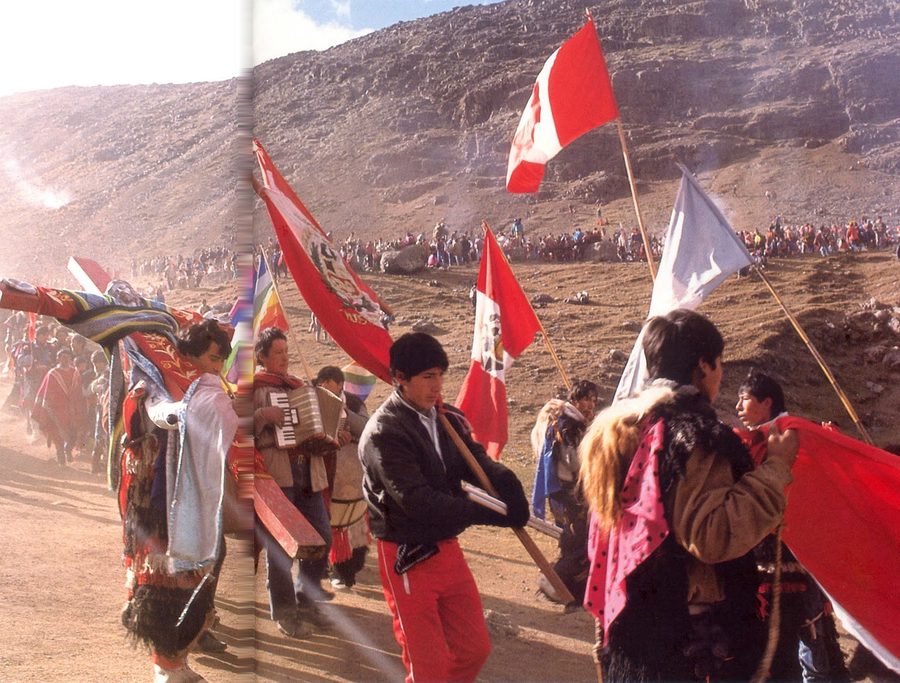
If you can, plan your trip around one of these celebrations. Some dates change every year: confirm them before you travel.
How much time do you have?
Three road books, traveled and recommended by our writers.
Ancient Cusco
- Plaza de Armas: the Cathedral and La Compañía
- The Coricancha and the San Blas neighborhood, with its artisans’ workshops
- In the afternoon, the short circuit (2 h): Sacsayhuamán, Q’enqo, Puca Pucara and Tambomachay
- At night, Andean music in the city’s bars and peñas
The traveler’s circuit
- Day 1: basketry in Chinchero, chicha and hats in Maras, work at the salt pans and a night in Urubamba
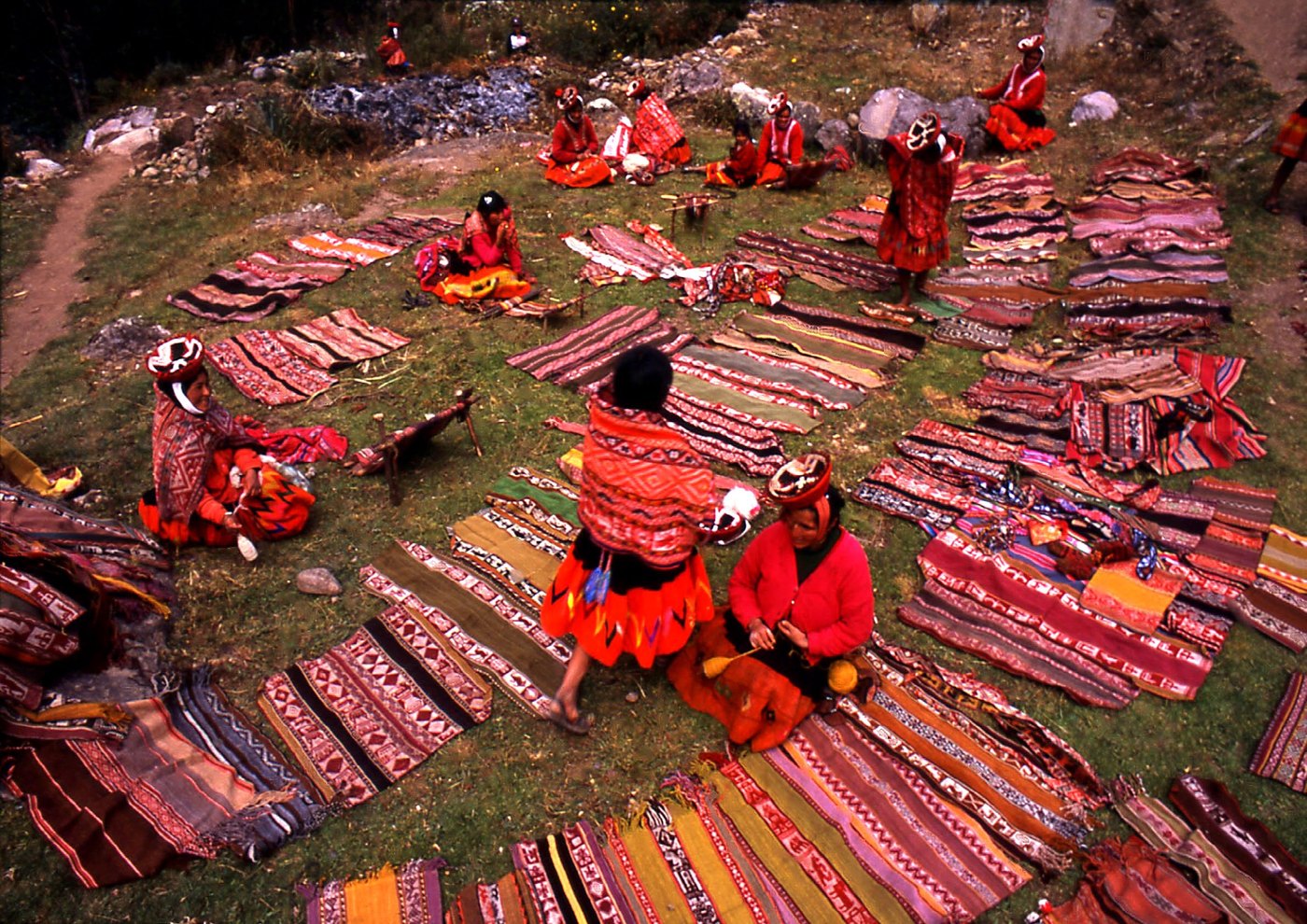
- Day 2: the weavers of Willoc and the fortress of Ollantaytambo
- Day 3: the terraces of Yucay, the Pisac market and weaving workshops in Chahuaytire
Inca Trail to Machu Picchu
- Day 1: from km 88 to Llulluchapampa, via Llactapata
- Day 2: Warmiwañusca pass (4,200 m), Runkurakay and Sayaqmarka
- Day 3: sunrise at Phuyupatamarka, Intipata and Wiñay Wayna
- Day 4: Intipunku at dawn and a visit to the citadel